
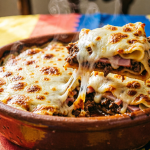







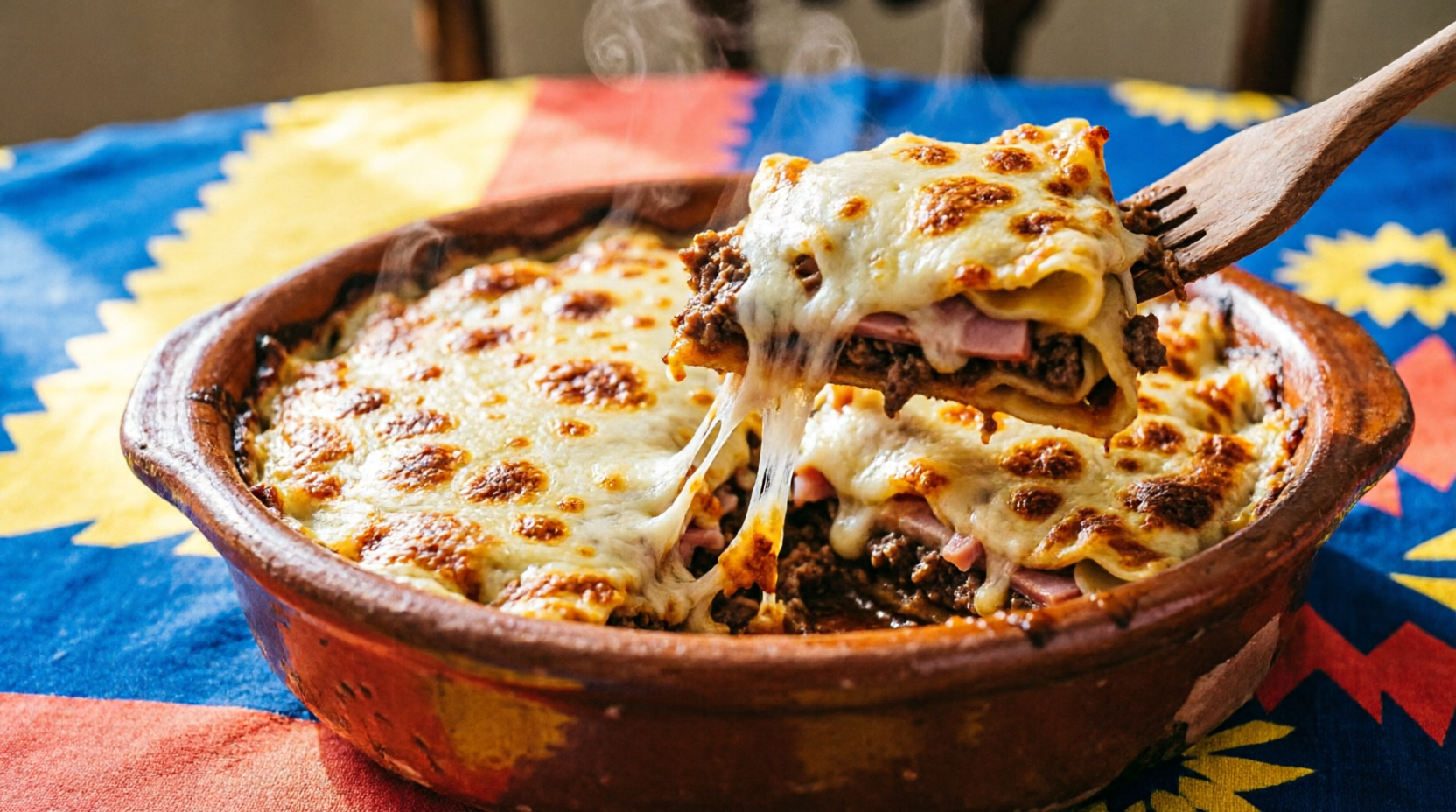
If you’re searching for pasticho Venezuelan lasagna near me, this guide covers local spots and home recipes. Enjoy its rich meat sauce, creamy béchamel, gooey cheese, and ham. Pasticho is a comforting classic for family gatherings or cosy weeknights.
Pasticho, also known as Venezuelan lasagna, has roots in Italian immigration to Venezuela. Families adapted traditional recipes using local flavours and ingredients, resulting in a creamier, more comforting version than its Italian cousin. That’s why “near me” searches often pop up, as this dish shines when enjoyed fresh from neighbourhood spots run by Venezuelan chefs who keep the tradition alive.
What Makes Pasticho Venezuelan Lasagna So Special?
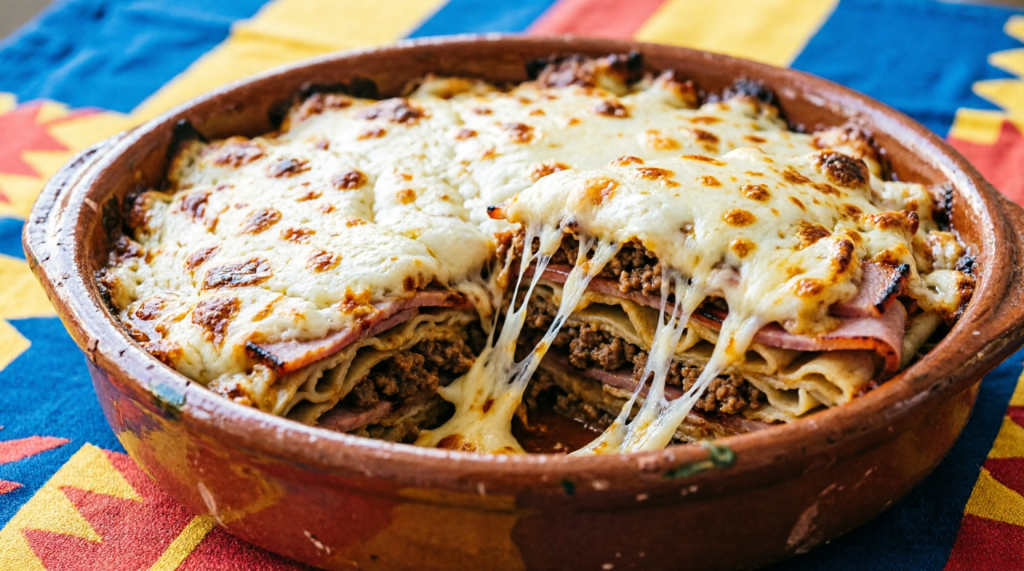
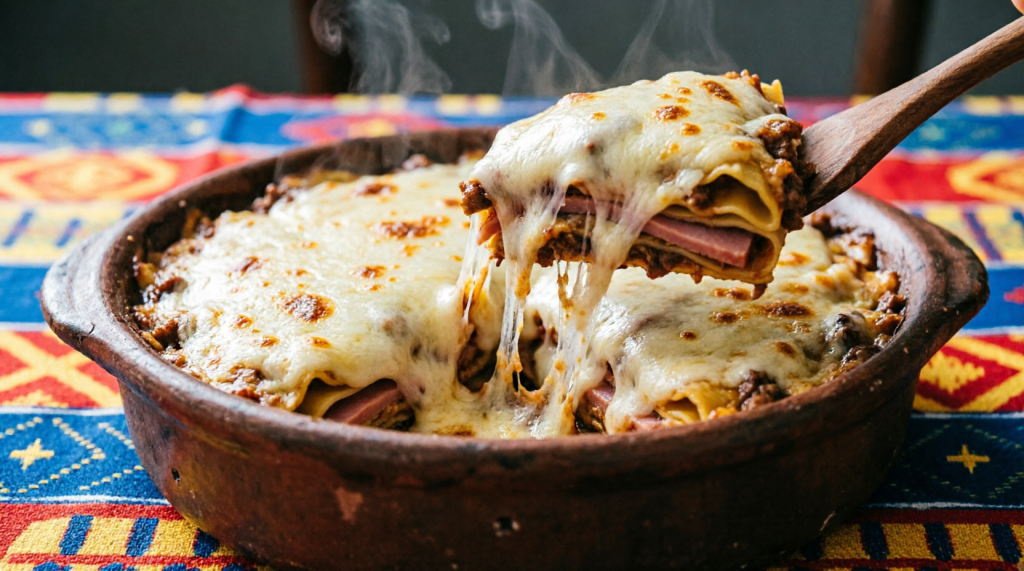
Pasticho is special because of its mix of textures and flavors. Unlike regular lasagna, which often uses ricotta, Venezuelan pasticho has a creamy béchamel sauce that adds smoothness without covering the seasoned ground beef. The layers include lasagna noodles, savory tomato meat sauce with cumin and spices, melted cheese, and usually ham slices for more flavor.
This combination creates a dish that’s both familiar and excitingly different. As the béchamel soaks into the noodles during baking, the top gets beautifully golden and bubbly. Pasticho fills your home with irresistible aromas and brings everyone to the table smiling, making it richer and more comforting than classic Italian lasagna thanks to those creamy layers.
Home cooks and restaurants alike experiment with variations, but the core remains true to its Venezuelan heritage. So, whether you’re in a bustling city with Venezuelan communities or a smaller town, finding authentic versions often leads to hidden gems that feel like family recipes.
The History and Origins of Venezuelan Pasticho
Venezuelan pasticho traces back to waves of Italian immigrants who arrived in Venezuela, particularly after World War II. These newcomers brought lasagna-making traditions and adapted them to local tastes and available ingredients. Over time, the dish evolved into something uniquely Venezuelan, earning the name “pasticho” rather than “lasaña”.
In Venezuela, pasticho became a staple at celebrations, Sunday lunches, and special occasions. By adding touches like cumin in the meat sauce or peas in some regional versions, families made it their own. Today, it represents cultural fusion at its finest-Italian techniques meeting Latin American warmth and hospitality.
This history explains why searching for the best pasticho Venezuelan lasagna near me often connects you with immigrant-owned eateries or home-based cooks sharing their heritage. It’s more than a recipe; it’s a story of adaptation and love passed through generations.
Key Ingredients That Define Authentic Pasticho
To understand what elevates a good pasticho to the best pasticho Venezuelan lasagna near me, look at the ingredients. Start with quality lasagna noodles-cooked al dente, so they hold up in the layers. The meat sauce typically uses ground beef, sautéed with onions, garlic, and tomatoes, with a hint of cumin for that signature depth.
Béchamel sauce is non-negotiable: butter, flour, milk, and nutmeg create the creamy white layer that sets Venezuelan pasticho apart. Shredded mozzarella or a mix of cheeses provides satisfying pull, while ham slices add salty contrast. Occasionally, carrots or peas appear for sweetness and color.
Fresh herbs and good seasoning are important. Don’t use too little cheese or rush the sauces-the best pasticho tastes like it cooked for hours.
How Pasticho Differs from Traditional Italian Lasagna
Many people searching for Venezuelan lasagna notice clear differences right away. While Italian lasagna emphasizes a robust ragù with ricotta or mozzarella, pasticho leans into béchamel for creaminess. The Venezuelan version also frequently incorporates ham and a sweeter, spiced meat sauce.
Texture-wise, pasticho feels lighter yet more indulgent due to the white sauce soaking through. Portion sizes in Venezuelan restaurants are generous, reflecting the communal, shareable nature of the dish. These distinctions make pasticho a refreshing alternative for those tired of usual lasagna options.
Quote: “Pasticho is lasagna as made in Venezuela… a delicious new take on the classic!” – Food enthusiasts often echo this sentiment when comparing the two.
Tips for Finding the Best Pasticho Venezuelan Lasagna Near Me
Locating top spots starts with targeted searches on maps or food delivery apps using terms like “Venezuelan restaurant” or “pasticho near me.” Focus on places with high ratings and reviews mentioning authenticity, generous portions, and perfect béchamel. Venezuelan communities in cities like Miami, New York, or Houston often offer standout options.
Ask around in local Facebook groups or Latin American forums-many hidden gems are discovered through word-of-mouth. Food trucks or pop-ups specializing in Venezuelan cuisine deliver homemade quality. Check for daily specials, since pasticho often appears as a comforting weekend feature.
Don’t forget catering or meal prep services run by Venezuelan families. They often offer pasticho for pickup, perfect if you want top quality without searching.
Making Authentic Pasticho at Home: A Step-by-Step Guide
Recreating the best pasticho Venezuelan lasagna near me in your kitchen is easier than you think and deeply rewarding. Begin by preparing the meat sauce: brown ground beef with aromatics, then add tomatoes and simmer until rich and flavorful. Simultaneously, whip up a smooth béchamel.
Boil the noodles, then layer in a baking dish-sauce, noodles, béchamel, ham, cheese, and repeat. Top with extra cheese. Bake until bubbly and let it rest. Waiting helps the flavors come together and keeps slices neat.
Try adding things like a splash of Worcestershire or soy sauce for more flavor, which is common in family recipes. Grate cheese fresh for better melting.
Why Pasticho Is the Ultimate Comfort Food
There’s something wonderful about eating pasticho on a chilly night or after a long day. The carbs, protein, and creamy sauce are satisfying. It’s great for casual dinners and also works for guests.
In Venezuelan culture, food brings people together, and pasticho does just that. One bite takes you to happy family tables. It makes sense that searches for pasticho go up when comfort is needed.
Variations and Creative Twists on Venezuelan Lasagna
Traditional pasticho is most popular, but creative versions add variety. Chicken pasticho is lighter, and vegetarian choices use mushrooms or lentils. Some chefs add spinach or other veggies.
Sweet touches like raisins appear in some regional styles to balance the savory flavors. Seafood pasticho can have shrimp for a coastal twist. These changes show how flexible and loved the dish is.
| Signature Sauce | Béchamel + Meat Sauce | Ragù + Ricotta | Chicken, Veggie, Seafood |
| Key Add-in | Ham slices | Sometimes none | Peas, Carrots, Extra Cheese |
| Spice Profile | Cumin, subtle warmth | Herbs like basil | Regional herbs or heat |
| Texture | Creamy, layered | Cheesy, saucy | Lighter or heartier depending on protein |
| Occasion | Family gatherings | Everyday or special | Weeknight quick or festive |
This table highlights why pasticho carves its own delicious niche.
Healthier Takes and Dietary Adaptations
For those watching ingredients, gluten-free noodles and turkey or plant-based meat make lighter versions. Use low-fat milk in the béchamel or add more veggies for better nutrition. Many modern places now offer these options.
Controlling portions is simple since pasticho reheats well. Pair it with salad or plantains for balance-classic Venezuelan sides.
Quote: “This Easy Venezuelan Pasticho is the ultimate comfort food! It’s rich, creamy, cheesy, and loaded with layers of flavor.” – A sentiment shared by countless home cooks embracing the dish.
Pairing Suggestions and Serving Ideas
Serve pasticho with garlic bread or tostones (fried plantains) for contrast. A green salad with vinaigrette balances the creaminess. Try Venezuelan drinks like passion fruit juice or a light red wine.
Leftovers taste better the next day as flavors get stronger. Freeze single portions for quick meals later-great when you want pasticho again.
Conclusion: Satisfy Your Craving for the Best Pasticho Today
Enjoy pasticho, a creamy, comforting dish that blends Venezuelan tradition with Italian roots. Whether you seek authentic eateries or make it at home, savor every bite and connect with the rich cultural story behind each layer. This guide empowers you to find or create pasticho that feels like home-delicious, memorable, and unifying.
FAQ
What is pasticho and why is it called Venezuelan lasagna?
Pasticho is Venezuela’s version of lasagna, with pasta, meat sauce, creamy béchamel, cheese, and ham. It is called Venezuelan lasagna because Italian immigrants adapted recipes in Venezuela, making a creamy, spiced comfort dish.
How do I find the best pasticho Venezuelan lasagna near me?
Use map apps with keywords like “Venezuelan restaurant pasticho” or check delivery platforms. Read recent reviews mentioning authenticity and béchamel quality. Local Venezuelan community groups often recommend the top hidden spots.
Can I make authentic pasticho at home easily?
Absolutely. With basic ingredients like ground beef, lasagna noodles, milk for béchamel, and cheese, you can create restaurant-worthy results. Focus on proper layering and don’t rush the sauces for the best flavor.
What are the main differences between pasticho and Italian lasagna?
Pasticho uses more béchamel sauce for creaminess and often includes ham and cumin, while Italian versions emphasize ricotta and herb-forward ragù. The Venezuelan style feels richer and more comforting overall.
Is pasticho suitable for dietary modifications?
Yes! Swap in gluten-free noodles, lean proteins, or plant-based alternatives. Many enjoy lighter versions with extra vegetables while keeping the soul of the dish intact.
How long does homemade pasticho last and reheat well?
It keeps in the fridge for 3-4 days and freezes beautifully for up to a month. Reheat in the oven covered to maintain moisture for that fresh-baked taste.