






Installing a fence is one of the most practical ways to improve a property. A well-designed fence can add privacy, increase security, define property boundaries, improve curb appeal, and even raise the overall value of a home. However, choosing the right type of fence can be challenging because every material has different benefits, costs, maintenance needs, and appearance.
The most popular fencing options for residential properties include wood, vinyl, aluminum, and chain link fences. Each option works well for different situations. A homeowner looking for privacy may prefer wood or vinyl, while someone wanting a low-maintenance decorative barrier may choose aluminum. Chain link fencing remains a popular choice for affordability and durability.
Before starting a fence installation project, it is important to understand the differences between these materials, their average costs, long-term maintenance requirements, and how they affect property value.
Why Fence Installation Is a Valuable Home Improvement Project
A fence is more than just a boundary around a property. It serves several important purposes, including:
- Improving home security
- Creating outdoor privacy
- Protecting children and pets
- Enhancing landscaping and curb appeal
- Increasing usable outdoor space
- Adding value for future buyers
Many homeowners install fences because they want a safer and more comfortable backyard environment. A private yard can become an extension of the home where families can relax, entertain guests, or enjoy outdoor activities without feeling exposed.
The right fence can also make a property more attractive to potential buyers. While a fence alone does not guarantee a higher selling price, a well-maintained and attractive fence can make a home stand out in the real estate market.
Factors to Consider Before Installing a Fence
Choosing a fence requires more than selecting a material based on appearance. Several factors influence the best option for your property.
Purpose of the Fence
The first question to ask is why you need a fence.
For privacy, solid wood or vinyl panels are usually the best choices. For security, aluminum or chain link fences can provide strong boundaries. If the main goal is improving appearance, decorative aluminum or customized wood designs may be better.
Climate and Weather Conditions
Weather plays a major role in fence performance. Areas with heavy rain, humidity, snow, or extreme sunlight require materials that can handle environmental exposure.
Wood may require more maintenance in wet climates, while vinyl and aluminum generally perform better against moisture. Chain link fencing is also highly resistant to weather damage.
Budget
Fence costs vary depending on material, height, design, labor, and property size. A basic chain link fence may be affordable for homeowners with limited budgets, while premium wood, vinyl, or decorative aluminum fences can require a larger investment.
Maintenance Expectations
Some homeowners do not mind regular maintenance, while others prefer a fence that requires little attention. Understanding long-term upkeep costs is just as important as the initial installation price.
Wood Fence Installation: Classic Appearance and Natural Beauty
Wood fencing has been one of the most popular choices for decades because of its natural appearance and versatility. It works well with traditional, modern, and rustic home designs.
Common wood fence options include cedar, pine, redwood, and pressure-treated lumber.
Benefits of Wood Fences
Natural and Attractive Look
Wood provides a warm and traditional appearance that many homeowners prefer. It blends naturally with gardens, landscaping, and outdoor areas.
Excellent Privacy
A solid wood fence creates a strong visual barrier, making it one of the best options for homeowners who want backyard privacy.
Customizable Design
Wood fences can be painted, stained, cut into different patterns, and customized with decorative features. Homeowners have many design options, from simple horizontal boards to detailed privacy panels.
Affordable Installation Options
Compared with some premium materials, wood can offer a lower upfront cost, especially when using basic lumber options.
Wood Fence Costs
The average cost of installing a wood fence typically ranges from about $15 to $40 per linear foot, depending on the type of wood, design, and labor costs.
A standard residential wood fence installation may cost several thousand dollars depending on yard size and customization.
Wood Fence Maintenance
The biggest disadvantage of wood fencing is maintenance. Wood can be affected by:
- Moisture
- Rot
- Insects
- Mold
- Fading
- Weather damage
Most wood fences require staining or sealing every few years. Regular maintenance helps extend the fence’s lifespan, which is commonly around 15 to 20 years with proper care.
Vinyl Fence Installation: Low Maintenance and Long-Term Durability
Vinyl fencing has become increasingly popular because it provides the appearance of painted wood without many maintenance concerns.
Made from durable PVC materials, vinyl fences are designed to resist moisture, insects, and everyday weather exposure.
Benefits of Vinyl Fences
Minimal Maintenance
Vinyl does not require painting, staining, or sealing. Cleaning usually involves washing the surface with water and mild soap.
Long Lifespan
A quality vinyl fence can last 20 to 30 years or longer when properly installed.
Strong Privacy Protection
Vinyl privacy fences come in solid panel designs that block outside views, making them excellent for backyards, pools, and residential areas.
Resistant to Damage
Unlike wood, vinyl does not rot, warp, or attract termites. It maintains its appearance for many years with limited upkeep.
Vinyl Fence Costs
Vinyl fencing generally costs between $25 and $60 per linear foot installed. The price depends on the style, height, thickness, and quality of the material.
Although vinyl usually costs more upfront than wood, lower maintenance expenses can make it more affordable over time.
Vinyl Fence Maintenance
Maintenance is one of vinyl’s biggest advantages. Homeowners usually only need occasional cleaning to remove dirt, dust, or stains.
However, vinyl can crack under extreme impact or very cold temperatures, and repairs may require replacing entire sections instead of simple fixes.
Aluminum Fence Installation: Elegant, Durable, and Low Maintenance
Aluminum fencing is a popular choice for homeowners who want a decorative fence with long-lasting performance.
It is commonly used around gardens, pools, front yards, and luxury properties.
Benefits of Aluminum Fences
Attractive Appearance
Aluminum fences provide a clean and elegant look similar to traditional wrought iron but at a lower cost and with less maintenance.
Rust Resistance
Unlike steel or iron fencing, aluminum does not rust. This makes it a good option for humid or coastal environments.
Long-Term Durability
A properly installed aluminum fence can last for decades with minimal maintenance.
Low Maintenance Requirements
Aluminum does not require painting or sealing. Occasional cleaning is usually enough to keep it looking attractive.
Aluminum Fence Costs
Aluminum fences typically cost between $30 and $70 per linear foot installed. Decorative designs and higher-quality materials may increase the price.
Although aluminum is more expensive than chain link and some wood options, its durability makes it a worthwhile investment for many homeowners.
Aluminum Fence Maintenance
Maintenance is simple. Homeowners generally only need to:
- Clean dirt and debris
- Check hardware connections
- Repair damaged sections if necessary
Aluminum fencing can last 30 years or more with proper care.
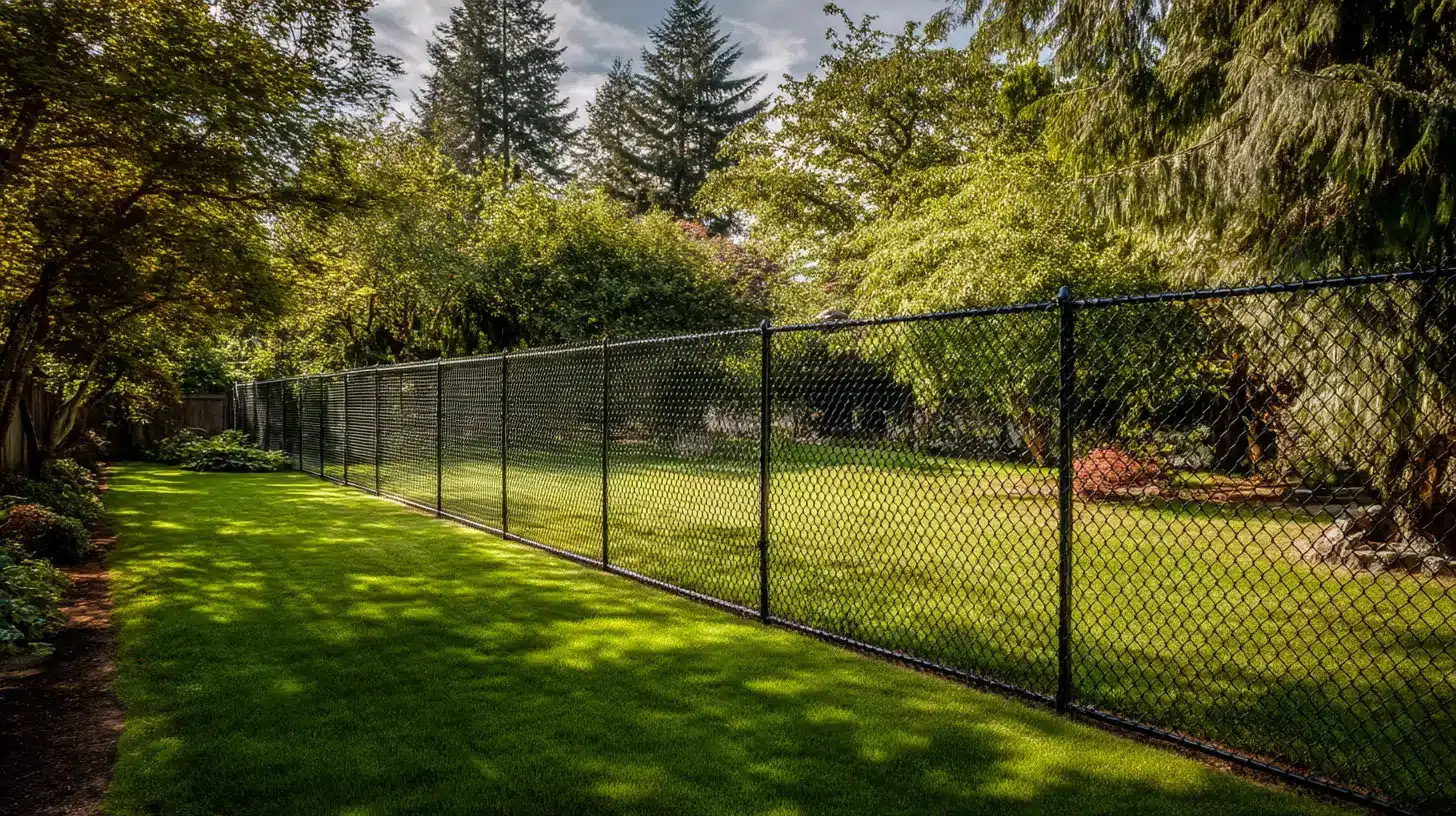
Chain Link Fence Installation: Affordable and Practical Choice
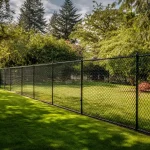
Chain link fencing is one of the most affordable and widely used fencing options. It is commonly found in residential yards, commercial properties, sports areas, and industrial locations.
Benefits of Chain Link Fences
Budget-Friendly Installation
Chain link fencing offers one of the lowest installation costs, making it ideal for homeowners who need a functional fence without a large investment.
Strong and Durable
Chain link fences are resistant to weather, pests, and general wear. Galvanized versions can last many years without major problems.
Low Maintenance
Chain link fences require very little maintenance compared with wood fencing.
Good Security Option
Because of their strength and visibility, chain link fences provide effective security while allowing homeowners to see through the barrier.
Chain Link Fence Costs
The average cost of chain link fencing is around $10 to $30 per linear foot installed.
Adding privacy slats, vinyl coatings, or upgraded materials can increase the overall cost.
Chain Link Fence Maintenance
Maintenance is usually limited to:
- Removing rust spots
- Tightening loose sections
- Repairing damaged mesh
- Checking posts
A properly installed chain link fence can last 20 to 30 years.
Wood vs Vinyl vs Aluminum vs Chain Link Comparison
| Feature | Wood | Vinyl | Aluminum | Chain Link |
| Average Cost | Medium | Medium to High | High | Low |
| Privacy | Excellent | Excellent | Low | Low |
| Maintenance | High | Low | Very Low | Low |
| Lifespan | 15-20 years | 20-30+ years | 30+ years | 20-30 years |
| Appearance | Natural | Modern/Clean | Decorative | Functional |
| Weather Resistance | Moderate | Excellent | Excellent | Good |
Which Fence Adds the Most Property Value?
The impact of a fence on property value depends on the neighborhood, design, quality, and buyer preferences.
A professionally installed privacy fence made from wood or vinyl can be attractive to families who want a private backyard. Aluminum fencing may appeal to buyers looking for a premium appearance and low maintenance.
A poorly maintained or damaged fence can negatively affect curb appeal, while a strong, attractive fence can make a property feel more complete.
The best value usually comes from choosing a fence that matches the home style and meets the needs of future buyers.
How to Save Money on Fence Installation
Fence installation can become expensive, but homeowners can reduce costs with smart planning.
Compare Multiple Quotes
Getting estimates from several contractors helps identify fair pricing and prevents overpaying.
Choose the Right Material
The cheapest option is not always the most affordable long term. A slightly higher upfront investment in durable materials may reduce repair and replacement costs.
Install During Off-Peak Seasons
Some contractors offer better pricing during slower months when demand is lower.
Consider Partial DIY Installation
Homeowners with construction experience may save money by handling simple tasks like removing old fencing or preparing the area.
Final Thoughts: Choosing the Best Fence for Your Property
The best fence depends on your priorities, budget, and property needs. Wood fencing offers natural beauty and excellent privacy but requires regular maintenance. Vinyl provides durability and easy care, making it a strong long-term choice. Aluminum delivers an elegant appearance with minimal upkeep, while chain link remains the most affordable and practical option.
Before choosing a fence, consider how much privacy you need, how much maintenance you are willing to handle, your local weather conditions, and how the fence fits with your home’s design.
A properly selected and professionally installed fence can improve security, enhance outdoor living spaces, and add lasting value to your property.