






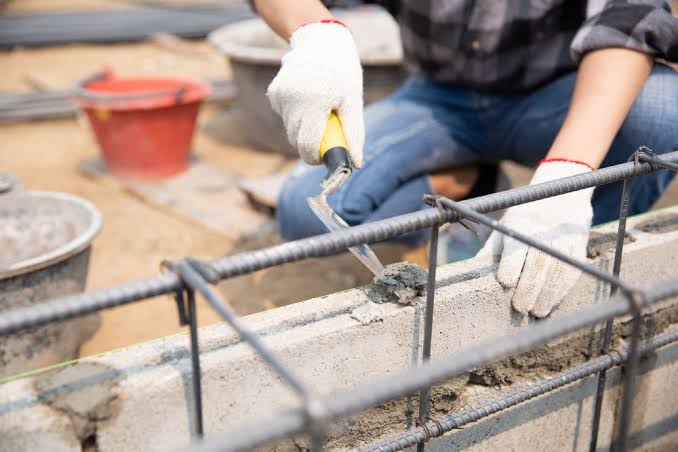
Your home’s foundation is responsible for supporting every wall, floor, and roof structure above it. When it begins to weaken or shift, the entire house can be affected. Small cracks may seem harmless at first, but ignoring foundation problems can lead to expensive repairs, structural damage, water intrusion, and reduced property value.
Understanding the warning signs, repair options, costs, and preventive measures can help homeowners make informed decisions before a minor issue turns into a major one. Whether you’re dealing with settling soil, moisture problems, or aging construction, this guide explains everything you need to know about foundation repair.
What Is Foundation Repair?
Foundation repair refers to the process of restoring the strength, stability, and structural integrity of a home’s foundation. These repairs address problems caused by soil movement, water damage, poor construction, tree roots, erosion, or natural settling.
The goal is not only to fix visible damage but also to stop the underlying cause from creating future problems.
Repairs may involve filling cracks, reinforcing weakened areas, lifting settled foundations, improving drainage, or installing structural supports beneath the home.
Common Causes of Foundation Problems
Understanding why foundations fail is the first step toward preventing damage.
Expansive Soil
Clay-rich soil expands when wet and shrinks during dry weather. This constant movement places tremendous pressure on foundations, causing cracks and uneven settling.
Poor Drainage
Water pooling around a home’s foundation softens surrounding soil and weakens its ability to support the structure.
Tree Roots
Large trees absorb moisture from the soil, causing it to shrink. Roots can also physically disturb nearby foundations.
Natural Settlement
Most homes experience some degree of settling over time. Uneven settlement, however, creates structural stress.
Plumbing Leaks
Underground water leaks wash away soil beneath the foundation, creating empty spaces that allow the structure to sink.
Poor Construction Practices
Improper soil preparation, inadequate reinforcement, or low-quality materials may cause foundation problems years after construction.
Flooding
Heavy rainfall and flooding saturate the soil, increasing pressure against basement walls and weakening foundation support.
Warning Signs of Foundation Damage
Many homeowners overlook early symptoms until repairs become costly.
Watch for these warning signs.
Cracks in Walls
Diagonal cracks around windows and doors often indicate uneven foundation movement.
Foundation Cracks
Visible cracks in concrete slabs, crawl spaces, or basement walls should never be ignored.
Hairline cracks are common, but widening cracks deserve professional evaluation.
Uneven Floors
If floors begin sloping or feel bouncy in certain areas, foundation movement may be responsible.
Sticking Doors and Windows
When the foundation shifts, door and window frames become misaligned, making them difficult to open or close.
Gaps Around Doors
Visible spaces between walls, ceilings, or door frames may signal structural movement.
Bowing Basement Walls
Walls that lean inward often indicate excessive pressure from saturated soil.
Chimney Separation
A chimney pulling away from the house is a serious sign of foundation settlement.
Water Intrusion
Persistent moisture, damp basements, mold growth, or standing water often contribute to foundation deterioration.
Types of Foundation Cracks
Not every crack indicates structural failure.
Hairline Cracks
Usually caused by concrete curing and are generally cosmetic.
Vertical Cracks
Often result from normal settling and are usually easier to repair.
Horizontal Cracks
These are more serious because they often indicate excessive pressure against foundation walls.
Stair-Step Cracks
Common in brick or block foundations, these often suggest uneven settlement.
Diagonal Cracks
Frequently indicate differential settlement requiring closer inspection.
Foundation Inspection Process
Before recommending repairs, professionals perform a detailed inspection.
This typically includes:
- Measuring floor elevation
- Examining foundation walls
- Inspecting crawl spaces or basements
- Checking drainage around the property
- Identifying soil movement
- Looking for plumbing leaks
- Assessing structural damage
The inspection helps determine the root cause instead of simply treating visible symptoms.
Common Foundation Repair Methods
Different problems require different repair techniques.
Crack Injection
Epoxy or polyurethane injections seal concrete cracks and prevent water intrusion.
Best for:
- Minor structural cracks
- Basement leaks
- Hairline fractures
Concrete Patching
Small damaged areas are repaired using specialized concrete compounds.
Suitable for cosmetic repairs rather than structural correction.
Slab Jacking
Also called mudjacking, this method lifts sunken concrete slabs by pumping material underneath.
Common applications include:
- Garage floors
- Sidewalks
- Patios
- Concrete driveways
Polyurethane Foam Lifting
Expanding foam raises settled concrete while adding minimal weight.
Advantages include:
- Fast installation
- Lightweight material
- Minimal disruption
- Long-lasting performance
Pier Systems
When foundations sink significantly, piers provide permanent support.
Common options include:
Steel Push Piers
Driven deep into stable soil or bedrock to lift settling foundations.
Ideal for heavier homes.
Helical Piers
Screw-shaped steel piers installed beneath foundations.
Often used for lighter structures and new construction.
Concrete Piers
Concrete supports stabilize certain types of foundation movement.
Wall Anchors
Steel anchors stabilize bowed basement walls by gradually pulling them back into position.
Carbon Fiber Reinforcement
Carbon fiber strips strengthen cracked basement walls without major excavation.
Foundation Repair Costs
Costs vary depending on damage severity, repair method, foundation type, and location.
Typical price ranges include:
- Crack repair: $300–$1,000
- Epoxy injection: $400–$1,500
- Slab jacking: $700–$2,500
- Polyurethane lifting: $900–$3,000
- Wall anchors: $800–$1,500 per anchor
- Carbon fiber reinforcement: $600–$1,200 per strip
- Steel piers: $1,500–$3,500 per pier
- Major foundation stabilization: $5,000–$25,000+
Luxury homes or extensive structural damage may exceed these estimates.
Factors That Affect Repair Costs
Several variables influence the final price.
Foundation Type
Slab foundations generally cost less to repair than basements or crawl spaces.
Extent of Damage
Minor cracks require less work than severe structural movement.
Accessibility
Limited access beneath the home increases labor costs.
Soil Conditions
Poor soil may require additional stabilization work.
Water Damage
Moisture problems often require drainage improvements before repairs begin.
Local Labor Costs
Prices vary significantly between cities and regions.
DIY Foundation Repair
Some homeowners consider repairing foundation problems themselves.
Certain minor issues can safely be handled with DIY methods.
Examples include:
- Filling tiny surface cracks
- Applying waterproof sealants
- Cleaning drainage systems
- Extending downspouts
- Improving grading around the home
These repairs can reduce moisture problems but rarely solve structural issues.
When DIY Is Not Enough
Professional repair becomes necessary if you notice:
- Large foundation cracks
- Bowing walls
- Uneven floors
- Doors that no longer close properly
- Foundation settlement
- Water entering through structural cracks
- Chimney separation
- Multiple interior wall cracks
Attempting major structural repairs without proper engineering knowledge may worsen the damage.
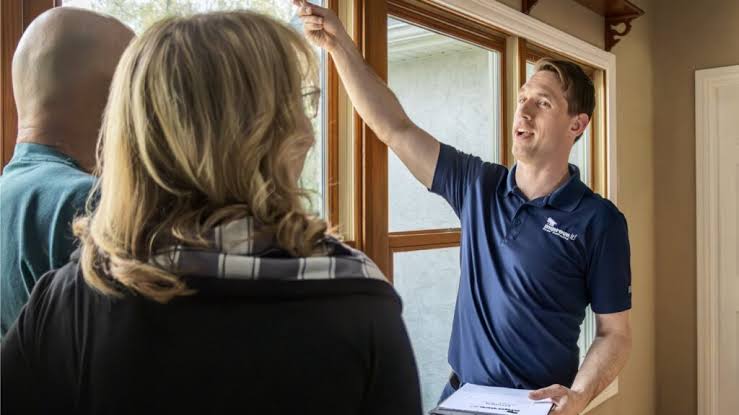
Professional Foundation Repair
Hiring experienced professionals provides several advantages.
Accurate Diagnosis
Experts identify the underlying cause rather than simply repairing visible damage.
Specialized Equipment
Foundation contractors use hydraulic lifting systems, soil stabilization equipment, laser measurements, and structural engineering tools unavailable to most homeowners.
Long-Term Solutions
Professional repairs are designed to stabilize the foundation for decades instead of providing temporary fixes.
Warranties
Many reputable companies offer transferable warranties that increase buyer confidence when selling a home.
Questions to Ask Before Hiring a Contractor
Before signing a contract, ask:
- How long has your company repaired foundations?
- Are you licensed and insured?
- Do you provide written estimates?
- Is an engineer involved in the inspection?
- What warranty is included?
- Will permits be required?
- How long will repairs take?
- Can you provide references?
Choosing the lowest bid isn’t always the best decision if experience and quality differ significantly.
Preventing Foundation Problems
Prevention is usually much less expensive than repair.
Maintain Proper Drainage
Ensure gutters and downspouts move water several feet away from the house.
Grade the Landscape
The ground should slope away from the foundation to prevent standing water.
Water Soil Consistently
During drought conditions, maintain consistent soil moisture around foundations built on expansive clay.
Repair Plumbing Leaks Quickly
Underground leaks can wash away supporting soil surprisingly fast.
Install Drainage Systems
French drains, sump pumps, and surface drains help control excess water.
Avoid Large Trees Near Foundations
Plant trees far enough away that mature root systems won’t affect the structure.
Inspect Regularly
Walk around your home every few months looking for:
- New cracks
- Standing water
- Soil erosion
- Uneven sidewalks
- Basement moisture
Early detection often saves thousands of dollars.
How Long Does Foundation Repair Last?
Quality foundation repairs often last decades.
Many pier systems are designed as permanent solutions, while crack repairs and waterproofing may require periodic maintenance depending on environmental conditions.
Proper drainage and regular inspections greatly extend the lifespan of repairs.
Does Homeowners Insurance Cover Foundation Repair?
Coverage depends on what caused the damage.
Insurance may help if foundation damage results from a covered event such as:
- Burst plumbing pipes
- Certain natural disasters (depending on the policy)
- Vehicle impact
However, most policies do not cover foundation damage caused by:
- Normal settling
- Poor maintenance
- Soil movement
- Expansive clay
- Flooding (unless separate flood insurance exists)
Always review your policy carefully before assuming repairs are covered.
Can You Live in Your Home During Repairs?
In many cases, yes.Minor crack repairs, pier installation, and slab lifting usually allow homeowners to remain in the house throughout the project.
Extensive structural reconstruction or major basement work may require temporary relocation, although this is relatively uncommon.
Final Thoughts
Foundation problems rarely improve on their own. Small cracks, sticking doors, uneven floors, and water intrusion are often early warning signs that deserve attention before they become expensive structural issues. The good news is that modern repair techniques—from crack injections and slab lifting to steel piers and wall reinforcement—can successfully stabilize most foundations when applied correctly.
While simple maintenance tasks like improving drainage and sealing minor cracks can often be handled by homeowners, significant settlement or structural movement should always be evaluated by experienced professionals. Investing in timely repairs not only protects your home’s safety and value but also prevents more extensive damage in the future. With regular inspections, proper moisture control, and prompt attention to warning signs, homeowners can extend the life of their foundation and enjoy greater peace of mind for years to come.