








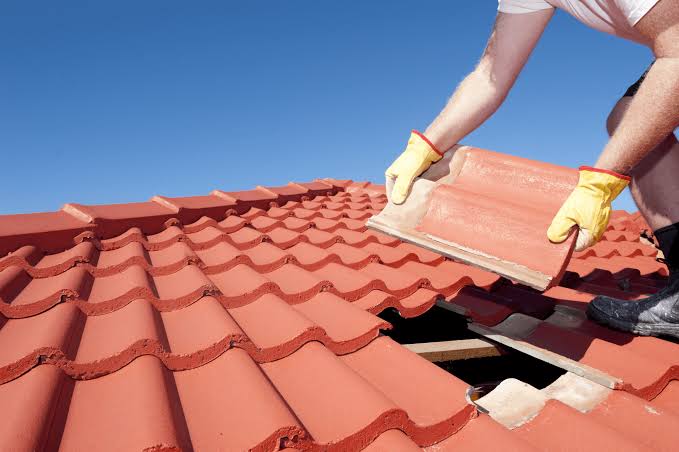
Your roof is one of the most important parts of your home. It protects your family, belongings, and the structure itself from rain, wind, heat, snow, and other weather conditions. Whether you need a small repair or a complete roof replacement, choosing the right roofing contractor can make all the difference.
Unfortunately, not every roofing company delivers quality workmanship. Some contractors disappear after taking deposits, while others cut corners by using low-quality materials or inexperienced labor. Hiring the wrong contractor can lead to expensive repairs, leaks, warranty issues, and unnecessary stress.
Finding a trustworthy roofing contractor requires more than simply choosing the lowest price. You need someone with experience, proper licensing, solid customer reviews, transparent pricing, and a reputation for standing behind their work.
This guide explains everything you need to know before hiring a roofing contractor, including the questions to ask, warning signs to avoid, how to compare estimates, warranty information, and practical hiring tips.
Why Choosing the Right Roofing Contractor Matters
A roof replacement is one of the biggest investments homeowners make. Depending on the size of your home and roofing materials, the project can cost thousands of dollars.
Even the highest-quality roofing materials can fail if they are installed incorrectly. Poor workmanship often causes:
- Roof leaks
- Mold growth
- Damaged insulation
- Structural problems
- Higher energy bills
- Reduced home value
An experienced contractor ensures the roof is installed according to manufacturer specifications and local building codes.
Start With Local Roofing Contractors
One of the smartest decisions is hiring a contractor based in your local area.
Local companies are generally easier to verify because they have established businesses, local references, and ongoing relationships with suppliers.
Benefits of hiring local contractors include:
- Faster response during emergencies
- Better knowledge of local weather conditions
- Familiarity with local building codes
- Easier warranty service
- Established reputation in the community
Companies that travel from town to town after major storms may not be available if problems arise months later.
Verify Licensing and Insurance
Never hire a roofing contractor before confirming they have the necessary licenses and insurance.
Ask for proof of:
- Business license
- Roofing license (if required in your state)
- General liability insurance
- Workers’ compensation insurance
Insurance protects you if property damage occurs or a worker is injured while working on your home.
Never rely solely on verbal confirmation. Ask for documentation.
Check Experience and Specialization
Roofing is a specialized trade.
A contractor with twenty years of roofing experience is usually a safer choice than a general handyman offering roofing services.
Ask questions like:
- How long have you been in business?
- How many roofs do you install each year?
- Do you specialize in residential roofing?
- Have you worked with my roofing material before?
Different roofing systems require different installation techniques.
For example:
- Asphalt shingles
- Metal roofing
- Slate roofing
- Clay tile
- Wood shakes
- Flat roofing systems
Choose a contractor experienced with your specific roof type.
Read Customer Reviews Carefully
Online reviews provide valuable insight into a contractor’s reliability.
Look beyond the overall rating.
Pay attention to comments about:
- Communication
- Timeliness
- Cleanup
- Professionalism
- Warranty service
- Quality of workmanship
- Problem resolution
A few negative reviews are normal for any business.
However, repeated complaints about unfinished projects, hidden charges, or poor workmanship should raise concerns.
Ask for Local References
A reputable roofing company should gladly provide references from recent customers.
Ask for homes similar to yours.
When speaking with previous customers, ask:
- Was the project completed on time?
- Did the final price match the estimate?
- Was the crew professional?
- Were problems handled quickly?
- Would you hire them again?
If possible, drive by completed projects to inspect the appearance of the roof.
Questions to Ask Before Hiring a Roofing Contractor
Interviewing multiple contractors helps you compare their professionalism and expertise.
Important questions include:
Who Will Supervise the Project?
Some companies outsource installation crews.
Ask who will actually install your roof and whether a project manager will be present throughout the project.
What Roofing Materials Do You Recommend?
A knowledgeable contractor explains why certain materials work better for your climate, home design, and budget instead of pushing the most expensive option.
How Long Will the Project Take?
Weather can affect schedules, but experienced contractors should provide a reasonable timeline.
Ask about:
- Start date
- Expected completion
- Daily work schedule
- Weather delays
Will You Remove the Old Roof?
Some contractors install new shingles over existing ones.
While this may reduce costs, complete removal often allows hidden damage to be discovered and repaired.
How Will You Protect My Property?
Roof replacements create debris.
Ask how they will protect:
- Landscaping
- Driveways
- Windows
- Gutters
- Outdoor furniture
Many professional contractors use tarps, plywood, and magnetic tools to collect nails.
Will You Obtain Permits?
Most roof replacements require permits.
Ask whether the contractor handles permit applications and inspections.
Understanding Roofing Estimates
Never accept a verbal estimate.
Request detailed written estimates from at least three contractors.
A complete estimate should include:
- Material costs
- Labor costs
- Tear-off charges
- Disposal fees
- Underlayment
- Flashing replacement
- Ventilation improvements
- Permit costs
- Cleanup
- Warranty information
- Payment schedule
The estimate should clearly explain every cost.
Don’t Automatically Choose the Lowest Bid
Many homeowners make the mistake of hiring the cheapest contractor.
A significantly lower estimate may indicate:
- Cheap materials
- Inexperienced labor
- Missing project components
- Lack of insurance
- Hidden future charges
Instead of choosing the lowest price, compare overall value.
Quality workmanship often saves money over the long term.
Understand Roofing Warranties
Many homeowners assume every roofing warranty provides complete protection.
In reality, warranties vary significantly.
There are generally two types.
Manufacturer Warranty
This covers defects in roofing materials.
It does not usually cover installation mistakes.
Coverage may range from 20 years to lifetime depending on the product.
Workmanship Warranty
This covers installation errors made by the contractor.
Coverage varies widely.
Some companies offer:
- Two years
- Five years
- Ten years
- Twenty-five years
- Lifetime workmanship warranties
Ask exactly what is covered and request everything in writing.
Payment Tips
Avoid contractors demanding full payment upfront.
Most professional companies request:
- Small deposit
- Progress payments
- Final payment after completion
Never pay the full balance before inspecting the finished roof.
Use payment methods that provide documentation.
Always keep receipts and signed contracts.
Watch for These Red Flags
Recognizing warning signs can help you avoid scams.
Door-to-Door Sales After Storms
Storm-chasing contractors often appear immediately after severe weather.
While some are legitimate, many leave town after completing projects, making warranty claims difficult.
Extremely Low Prices
If one estimate is dramatically cheaper than the others, investigate carefully.
Cheap prices often lead to expensive problems later.
High-Pressure Sales Tactics
Avoid contractors who insist you sign immediately or claim the price is only available today.
Reputable companies allow customers time to make informed decisions.
No Written Contract
Never begin work without a signed written agreement.
The contract should outline:
- Scope of work
- Materials
- Timeline
- Costs
- Payment schedule
- Warranty details
Large Upfront Deposits
Excessive upfront payments increase your financial risk.
Be cautious if a contractor requests most or all of the money before work begins.
No Physical Business Address
Verify the contractor has an established office or business location.
Temporary companies are harder to locate if problems develop.
Poor Communication
If a contractor is difficult to reach before signing the contract, communication is unlikely to improve once work begins.
Choose companies that answer questions promptly and clearly.
Ask About Cleanup Procedures
Roof replacement creates considerable debris.
Professional contractors should include complete cleanup.
Ask whether they will:
- Remove old shingles
- Dispose of nails
- Clean gutters
- Sweep driveways
- Inspect landscaping
- Use magnetic nail rollers
A clean job site demonstrates professionalism.
Confirm Material Quality
Roofing materials vary greatly in quality.
Ask for the exact manufacturer and product line being installed.
Important components include:
- Shingles
- Underlayment
- Ice and water shield
- Ridge vents
- Flashing
- Starter shingles
- Ridge caps
Higher-quality materials often last significantly longer.
Understand the Roofing Timeline
Every roofing project is different.
Factors affecting completion include:
- Roof size
- Weather
- Material availability
- Roof complexity
- Repairs needed underneath
Most residential asphalt shingle roofs can be completed within one to three days under normal conditions.
Larger or more complex roofs may require additional time.
Ask About Ventilation
Proper attic ventilation extends roof life and improves energy efficiency.
Poor ventilation can lead to:
- Excess heat buildup
- Moisture damage
- Mold
- Higher cooling costs
- Premature shingle deterioration
A qualified contractor should evaluate your existing ventilation before recommending improvements.
Don’t Forget Post-Installation Inspection
After the work is complete, inspect the roof before making the final payment.
Look for:
- Straight shingle lines
- Proper flashing installation
- Clean gutters
- No leftover debris
- Secure vents
- Proper ridge caps
Ask the contractor to walk you through the completed project.
Request photographs if portions of the roof are difficult to see.
Keep All Documentation
Store all roofing documents in a safe place.
Keep copies of:
- Contract
- Estimate
- Warranty certificates
- Material information
- Receipts
- Inspection reports
- Permit documents
These records are valuable if you sell your home or need future warranty service.
Tips for Getting the Best Value
Finding the right contractor is about balancing cost, quality, and reliability.
Some practical tips include:
- Obtain at least three detailed estimates.
- Compare materials instead of just prices.
- Verify insurance before signing.
- Read online reviews from multiple sources.
- Ask for recent local references.
- Confirm warranty details in writing.
- Never rush your decision.
- Inspect completed work before final payment.
- Choose experience over the lowest bid.
- Keep every document related to the project.
Final Thoughts
Choosing the best roofing contractor requires careful research, thoughtful questions, and a willingness to look beyond the cheapest estimate. A professional roofer should be transparent about pricing, experienced with your roofing system, properly licensed and insured, and willing to provide written contracts and warranty information.
Taking the time to compare contractors, verify credentials, and understand exactly what you’re paying for can prevent costly mistakes and ensure your investment lasts for decades. A well-installed roof not only protects your home from the elements but also improves energy efficiency, boosts curb appeal, and increases property value. By following the tips in this guide, you can hire a roofing contractor with confidence and enjoy the peace of mind that comes from knowing your home is in capable hands.