







A kitchen is much more than a place to prepare meals. It serves as the center of family life, a gathering space for guests, and often one of the most valuable rooms in a home. Whether you’re planning a simple refresh or a complete transformation, remodeling your kitchen can improve functionality, comfort, and property value.
The good news is that a beautiful kitchen doesn’t always require a massive investment. Homeowners can achieve impressive results with thoughtful planning, smart material choices, and a clear understanding of their priorities. From budget-friendly updates to luxury renovations, every remodeling project can be tailored to fit individual needs and financial goals.
This guide explores affordable improvements, premium upgrades, layout ideas, material comparisons, and the return on investment (ROI) you can expect from different remodeling decisions.
Why Remodel Your Kitchen?
Kitchen remodeling offers benefits that extend beyond aesthetics. A well-designed kitchen improves workflow, increases storage, enhances energy efficiency, and creates a more enjoyable cooking experience.
Common reasons homeowners remodel include:
- Outdated cabinets and finishes
- Poor storage capacity
- Worn or damaged countertops
- Old appliances with high energy consumption
- Limited workspace
- Improving resale value
- Creating an open-concept living area
Before beginning any renovation, define your primary objective. Are you remodeling for personal enjoyment, increasing home value, or preparing your property for sale? Your answer will influence every design and budgeting decision.
Setting a Realistic Budget
A successful kitchen remodel starts with knowing how much you’re comfortable spending.
A general budget breakdown often looks like this:
- Cabinets: 25–35%
- Labor: 20–30%
- Appliances: 10–20%
- Countertops: 10–15%
- Flooring: 7–10%
- Lighting and electrical work: 5–10%
- Plumbing: 5–10%
- Miscellaneous expenses: 5–10%
It’s also wise to reserve an additional 10–20% for unexpected costs, especially in older homes where plumbing or electrical issues may arise once demolition begins.
Affordable Kitchen Updates That Make a Big Difference
Not every kitchen improvement requires tearing everything apart. Small changes can dramatically improve appearance and functionality while staying within a modest budget.
Paint Cabinets Instead of Replacing Them
Replacing cabinets is one of the most expensive parts of a remodel. If your cabinet boxes remain structurally sound, repainting or refinishing them offers significant savings.
Popular cabinet colors include:
- White
- Warm gray
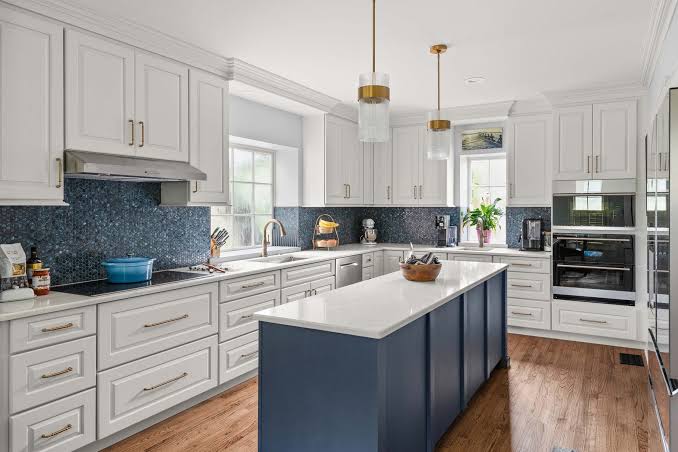
- Navy blue
- Sage green
- Charcoal
- Natural wood finishes
Adding modern hardware further transforms older cabinetry.
Upgrade Cabinet Hardware
Replacing outdated knobs and pulls instantly modernizes your kitchen.
Popular finishes include:
- Matte black
- Brushed nickel
- Satin brass
- Champagne bronze
- Stainless steel
Hardware installation is inexpensive and often completed within an afternoon.
Install a New Backsplash
A stylish backsplash adds personality without requiring a major renovation.
Affordable options include:
- Ceramic subway tile
- Peel-and-stick backsplash panels
- Glass tile
- Porcelain tile
- Mosaic accents
A backsplash protects walls while enhancing visual appeal.
Replace Light Fixtures
Lighting dramatically influences the atmosphere of a kitchen.
Consider adding:
- Pendant lights over islands
- LED recessed lighting
- Under-cabinet lighting
- Decorative chandeliers
- Smart lighting systems
Improved lighting makes cooking easier while making the room appear larger.
Update Faucets
A modern faucet enhances both appearance and convenience.
Popular features include:
- Pull-down sprayers
- Touchless activation
- Matte finishes
- Water-saving technology
Even a single fixture replacement can refresh the entire sink area.
Mid-Range Kitchen Remodeling Ideas
For homeowners with a moderate budget, combining cosmetic improvements with functional upgrades often delivers the best balance between cost and value.
Typical improvements include:
- New semi-custom cabinets
- Quartz countertops
- Luxury vinyl plank flooring
- Stainless steel appliances
- Updated lighting
- Modern sink
- Fresh paint
- Improved storage accessories
This level of remodeling provides a noticeable transformation without reaching luxury renovation costs.
Luxury Kitchen Upgrades
For homeowners seeking premium features, luxury kitchens focus on craftsmanship, convenience, and high-end materials.
Custom Cabinetry
Custom cabinets maximize every inch of available space.
Premium features include:
- Soft-close drawers
- Hidden charging stations
- Pull-out pantry shelves
- Appliance garages
- Built-in organizers
- Interior lighting
Custom storage improves organization while creating a clean appearance.
High-End Countertops
Luxury countertops combine durability with elegance.
Popular premium materials include:
- Quartzite
- Marble
- Soapstone
- Exotic granite
- Premium quartz
These materials offer unique patterns and long-lasting performance.
Professional Appliances
Luxury kitchens often include commercial-inspired appliances.
Features may include:
- Double ovens
- Built-in refrigerators
- Induction cooktops
- Steam ovens
- Wine refrigerators
- Smart appliances
These additions improve cooking precision while enhancing overall convenience.
Large Kitchen Islands
Kitchen islands continue to be among the most requested remodeling features.
A spacious island can include:
- Extra seating
- Additional storage
- Prep sink
- Cooktop
- Beverage station
- Charging outlets
An island creates a central gathering place while increasing workspace.
Smart Kitchen Technology
Modern kitchens increasingly incorporate smart home features.
Examples include:
- Voice-controlled lighting
- Smart refrigerators
- Wi-Fi ovens
- Motion-sensor faucets
- Automated lighting
- Smart thermostats
- Connected coffee makers
These upgrades add convenience and future-proof the kitchen.
Kitchen Layout Ideas
Choosing the right layout is just as important as selecting finishes.
Galley Kitchen
Ideal for smaller homes and apartments.
Advantages include:
- Efficient workflow
- Lower remodeling costs
- Excellent use of limited space
Adding bright colors and improved lighting can make galley kitchens feel more open.
L-Shaped Kitchen
One of the most versatile layouts.
Benefits include:
- Open floor plan
- Flexible dining options
- Room for an island
- Efficient traffic flow
This design works well for families and entertainers.
U-Shaped Kitchen
Offers abundant storage and countertop space.
Advantages include:
- Excellent organization
- Efficient cooking zones
- Ample cabinet storage
This layout is ideal for serious home cooks.
Island Kitchen
Adding an island creates additional workspace while encouraging social interaction.
An island works best when there is enough clearance around all sides for comfortable movement.
Open-Concept Kitchen
Removing non-load-bearing walls creates a seamless transition between the kitchen, dining room, and living room.
Benefits include:
- Better natural light
- Easier entertaining
- Improved family interaction
- Larger visual appearance
Open layouts remain highly desirable among homebuyers.
Material Comparisons
Selecting the right materials affects durability, maintenance, appearance, and long-term costs.
Countertops
Laminate
Pros:
- Budget-friendly
- Many design options
- Easy installation
Cons:
- Less heat resistant
- More prone to scratches
Quartz
Pros:
- Non-porous
- Low maintenance
- Durable
- Consistent appearance
Cons:
- Higher cost than laminate
Granite
Pros:
- Natural beauty
- Heat resistant
- Long lifespan
Cons:
- Requires periodic sealing
Marble
Pros:
- Elegant appearance
- Unique patterns
Cons:
- Easily stained
- Requires ongoing maintenance
Flooring
Luxury Vinyl Plank (LVP)
Pros:
- Waterproof
- Affordable
- Comfortable underfoot
Cons:
- May not increase resale value as much as hardwood
Tile
Pros:
- Extremely durable
- Water resistant
- Variety of styles
Cons:
- Hard surface
- Cold underfoot
Hardwood
Pros:
- Timeless appearance
- Excellent resale value
- Long lifespan
Cons:
- Sensitive to moisture
Cabinet Materials
Particleboard
- Lowest cost
- Suitable for budget remodels
- Less durable
MDF
- Smooth finish
- Excellent for painted cabinets
- Moderate durability
Plywood
- Strong
- Moisture resistant
- Preferred for quality cabinets
Solid Wood
- Premium appearance
- Long-lasting
- Can be refinished multiple times
Maximizing Storage
Storage often determines whether a kitchen feels organized or cluttered.
Useful storage upgrades include:
- Pull-out pantry shelves
- Corner lazy Susans
- Deep drawers
- Vertical tray dividers
- Toe-kick drawers
- Spice organizers
- Hidden trash bins
- Ceiling-height cabinets
Efficient storage makes even smaller kitchens feel significantly larger.
Choosing the Right Color Scheme
Kitchen colors influence mood and perceived space.
Popular combinations include:
- White and wood
- Navy with brass accents
- Gray and white
- Black and natural oak
- Sage green and cream
- Charcoal with marble
Neutral colors generally appeal to a wider range of buyers while allowing flexibility in future decorating.
Energy-Efficient Remodeling Choices
Modern remodeling provides opportunities to reduce utility costs.
Energy-saving improvements include:
- LED lighting
- Energy-efficient appliances
- Low-flow faucets
- Improved insulation
- Smart thermostats
- Efficient ventilation systems
- Double-pane windows
Although these upgrades may increase upfront costs, they often reduce monthly utility expenses over time.
Common Remodeling Mistakes to Avoid
Many kitchen remodeling problems can be prevented through careful planning.
Avoid these common mistakes:
- Ignoring workflow between sink, stove, and refrigerator
- Choosing appearance over functionality
- Insufficient lighting
- Lack of electrical outlets
- Poor ventilation
- Inadequate storage planning
- Overspending beyond neighborhood values
- Skipping contingency funds
A practical kitchen always performs better than one designed purely for appearance.
Understanding Kitchen Remodeling ROI
Kitchen remodeling consistently ranks among the highest-value home improvement projects.
The exact return depends on location, market conditions, and renovation quality.
Minor Remodel ROI
Smaller updates often provide surprisingly strong returns.
Examples include:
- Cabinet painting
- New hardware
- Updated lighting
- Fresh paint
- New backsplash
- Modern faucet
These projects require relatively small investments while significantly improving buyer appeal.
Mid-Range Remodel ROI
Mid-range remodels generally offer one of the best balances between investment and resale value.
Typical upgrades include:
- Semi-custom cabinets
- Quartz countertops
- Updated flooring
- Stainless steel appliances
- Improved lighting
Many homeowners recover a substantial portion of these costs when selling.
Luxury Remodel ROI
Luxury renovations provide exceptional comfort and personalization but may not always generate proportional resale returns.
Ultra-premium appliances, imported materials, and custom features primarily appeal to buyers in high-end neighborhoods.
If resale is your primary goal, avoid making the kitchen significantly more expensive than comparable homes nearby.
Tips for Staying on Budget
A beautiful kitchen doesn’t require unnecessary spending.
Keep costs under control by:
- Keeping the existing layout whenever possible
- Refinishing instead of replacing cabinets
- Shopping seasonal appliance sales
- Comparing contractor estimates
- Mixing premium and budget materials
- Handling simple DIY tasks like painting
- Prioritizing upgrades that improve daily functionality
- Avoiding frequent design changes during construction
Careful planning often saves thousands of dollars without sacrificing quality.
Final Thoughts
Kitchen remodeling is one of the most rewarding home improvement projects because it combines everyday functionality with long-term financial value. Whether you’re working with a modest budget or planning a luxury renovation, the key is focusing on improvements that match your lifestyle, home, and future goals.
Affordable updates such as painted cabinets, new lighting, and refreshed hardware can dramatically improve an older kitchen without breaking the bank. Mid-range renovations strike an excellent balance between cost and value, while luxury upgrades provide exceptional comfort and customization for homeowners planning to stay for many years.
By selecting durable materials, optimizing your kitchen layout, investing in smart storage solutions, and making thoughtful design decisions, you can create a kitchen that looks beautiful, functions efficiently, and delivers strong value for years to come. A carefully planned remodel is more than a home improvement project—it’s an investment in your daily life and the future worth of your property.