







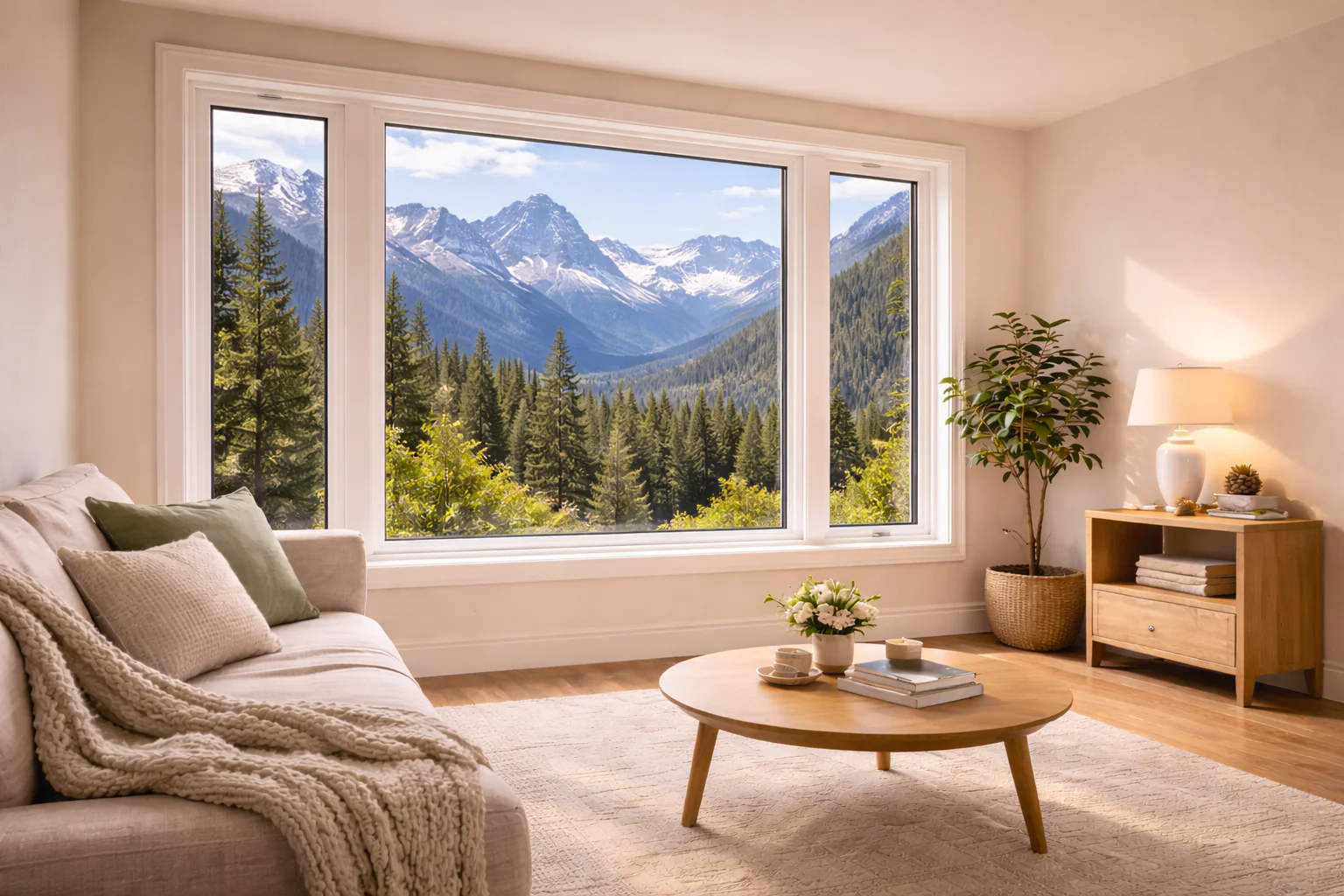
Energy-efficient windows have become one of the smartest investments for homeowners looking to reduce utility bills, improve indoor comfort, and increase property value. While heating and cooling systems often receive the most attention when discussing home efficiency, windows play an equally important role. Poor-quality or outdated windows allow heat to escape during winter and enter during summer, forcing HVAC systems to work harder throughout the year.
Modern energy-efficient windows are designed to minimize energy loss while maintaining excellent visibility, natural light, and curb appeal. They combine advanced glass technology, insulated frames, weather-resistant seals, and innovative coatings that help regulate indoor temperatures regardless of the season.
Whether you’re building a new home or replacing aging windows, understanding your options can help you make a worthwhile investment. This guide explains the different types of energy-efficient windows, frame materials, installation costs, tax incentives, leading brands, and practical buying advice.
What Are Energy-Efficient Windows?
Energy-efficient windows are specially designed to reduce heat transfer between your home’s interior and the outside environment. Unlike traditional single-pane windows, modern energy-efficient models use multiple panes of glass, insulated gas fills, specialized coatings, and durable framing materials.
Their primary goal is to:
- Lower heating and cooling costs
- Improve indoor comfort
- Reduce outside noise
- Prevent drafts
- Minimize condensation
- Protect furniture from UV damage
- Lower a home’s environmental impact
These benefits make energy-efficient windows a valuable long-term investment rather than simply a cosmetic upgrade.
How Energy-Efficient Windows Work
Several technologies work together to improve a window’s insulation performance.
Multiple Glass Panes
Most energy-efficient windows feature double-pane or triple-pane construction.
Double-pane windows contain two sheets of glass separated by an insulating space.
Triple-pane windows include three sheets of glass for even greater insulation, making them ideal in colder climates.
Low-E Glass Coatings
Low-emissivity (Low-E) coatings are microscopically thin metallic layers applied to glass.
These coatings:
- Reflect indoor heat back inside during winter
- Reflect solar heat away during summer
- Reduce harmful UV rays
- Maintain natural lighting
Low-E coatings significantly improve window performance without affecting visibility.
Gas Fills
Instead of ordinary air, manufacturers often fill the space between panes with inert gases like:
- Argon
- Krypton
These gases transfer less heat than air, improving insulation.
Warm Edge Spacers
The spacer separates glass panes.
Modern warm-edge spacers reduce heat transfer around the edges of the window while minimizing condensation.
Weatherstripping
High-quality weatherstripping creates airtight seals that prevent air leakage and drafts.
Understanding Window Energy Ratings
Before buying replacement windows, you’ll likely encounter several performance ratings.
U-Factor
Measures how well the window prevents heat from escaping.
Lower numbers indicate better insulation.
Solar Heat Gain Coefficient (SHGC)
Measures how much solar heat enters your home.
Lower SHGC values are preferred in hot climates.
Higher values may benefit colder regions where solar heat helps warm interiors.
Visible Transmittance (VT)
Indicates how much natural light passes through the glass.
Higher numbers provide brighter interiors.
Air Leakage Rating
Measures the amount of air entering around the window.
Lower ratings mean tighter seals.
Condensation Resistance
Indicates how effectively the window resists interior condensation.
Higher values generally mean better performance.
Types of Energy-Efficient Windows
Different window styles offer unique advantages depending on room layout and ventilation needs.
Double-Hung Windows
These popular windows allow both upper and lower sashes to move.
Advantages include:
- Easy cleaning
- Good ventilation
- Traditional appearance
- Wide availability
Casement Windows
Casement windows swing outward using a crank handle.
Benefits include:
- Excellent energy efficiency
- Tight weather seals
- Superior ventilation
- Easy operation
Sliding Windows
Sliding windows move horizontally along tracks.
They’re ideal for:
- Wide openings
- Contemporary homes
- Easy operation
Awning Windows
These windows open outward from the bottom.
Advantages include:
- Ventilation during rain
- Good insulation
- Excellent weather resistance
Picture Windows
Picture windows remain fixed and do not open.
Since they have no moving parts, they provide:
- Outstanding energy efficiency
- Maximum natural light
- Large outdoor views
Bay and Bow Windows
These decorative window systems extend beyond exterior walls.
Benefits include:
- Increased natural light
- Expanded interior space
- Improved curb appeal
- Higher home value
Choosing the Right Window Frame Material
The frame contributes significantly to overall efficiency.
Vinyl Windows
Vinyl remains one of the most popular choices.
Pros:
- Affordable
- Low maintenance
- Excellent insulation
- Resistant to moisture
- Long lifespan
Cons:
- Limited color customization
- Cannot be easily painted
Wood Windows
Wood provides timeless beauty and excellent insulation.
Pros:
- Natural appearance
- Superior insulation
- Custom finishes
- Excellent resale appeal
Cons:
- Higher maintenance
- More expensive
- Vulnerable to moisture if neglected
Fiberglass Windows
Fiberglass is known for durability.
Advantages include:
- Excellent strength
- Low expansion
- Outstanding insulation
- Minimal maintenance
- Long lifespan
Disadvantages:
- Higher upfront cost
- Fewer style options than vinyl
Aluminum Windows
Aluminum offers sleek modern designs.
Pros:
- Lightweight
- Strong
- Slim frames
- Contemporary appearance
Cons:
- Lower insulation
- Heat transfer without thermal breaks
Composite Windows
Composite frames combine several materials.
Benefits include:
- High durability
- Excellent insulation
- Moisture resistance
- Low maintenance
Their premium performance usually comes with a higher price.
Double-Pane vs Triple-Pane Windows
Many homeowners struggle to decide between these two options.
Double-Pane Windows
Best for:
- Moderate climates
- Budget-conscious homeowners
- Most residential homes
Advantages:
- Lower purchase cost
- Good energy savings
- Reduced outside noise
Triple-Pane Windows
Recommended for:
- Cold climates
- Homes near busy roads
- Maximum energy savings
Benefits include:
- Superior insulation
- Better sound reduction
- Increased indoor comfort
- Improved condensation resistance
Although triple-pane windows cost more initially, they often provide long-term savings in harsh climates.
Average Installation Costs
Window replacement costs vary depending on size, materials, location, and labor.
Typical price ranges include:
- Vinyl windows: $350–$900 per window installed
- Wood windows: $800–$1,800 installed
- Fiberglass windows: $700–$1,600 installed
- Composite windows: $800–$2,000 installed
- Aluminum windows: $500–$1,300 installed
Custom shapes, oversized windows, or structural modifications can increase costs considerably.
Labor usually accounts for a significant portion of total installation expenses.
Factors That Affect Window Replacement Costs
Several variables influence the final price.
Window Size
Larger windows require more materials and labor.
Glass Options
Features like:
- Triple-pane glass
- Low-E coatings
- Laminated glass
- Impact-resistant glass
increase costs.
Frame Material
Premium materials naturally cost more.
Home Accessibility
Upper-story installations often require additional equipment and labor.
Removal of Existing Windows
Older windows may require:
- Rot repair
- Trim replacement
- Structural adjustments
These repairs add to installation expenses.
Federal Tax Credits and Energy Incentives
Many governments encourage homeowners to install energy-efficient upgrades through tax credits and rebate programs.
Qualifying energy-efficient windows may make homeowners eligible for federal tax incentives if the products meet specified efficiency standards.
Some states, municipalities, and utility companies also offer:
- Cash rebates
- Energy efficiency grants
- Low-interest financing
- Utility bill incentives
Before purchasing, verify current eligibility requirements and certification standards, as incentive programs change over time.
Popular Energy-Efficient Window Brands
Several manufacturers consistently receive positive reviews for quality and performance.
Andersen
Known for:
- Premium craftsmanship
- Wood and composite options
- Long warranties
- Excellent customization
Pella
Offers:
- Vinyl
- Fiberglass
- Wood
- Smart home integration
- Wide design selection
Marvin
Recognized for:
- Luxury products
- Exceptional durability
- Custom architectural windows
- High-end finishes
Milgard
Popular for:
- Competitive pricing
- Strong warranties
- Vinyl and fiberglass products
- Reliable customer support
Simonton
Well-known for:
- Affordable vinyl windows
- Energy efficiency
- Low maintenance
- Good warranty coverage
JELD-WEN
Provides:
- Wide product range
- Budget-friendly models
- Wood and vinyl options
- Nationwide availability
Choosing a reputable manufacturer often provides greater peace of mind than focusing solely on the lowest price.
Signs It’s Time to Replace Your Windows
Homeowners should consider replacement if they notice:
- Drafts near windows
- Higher utility bills
- Condensation between glass panes
- Difficulty opening or closing windows
- Rotting wood frames
- Water leaks
- Outside noise becoming more noticeable
- Visible damage or warped frames
Replacing failing windows early helps prevent additional moisture damage and energy loss.
Professional Installation vs DIY
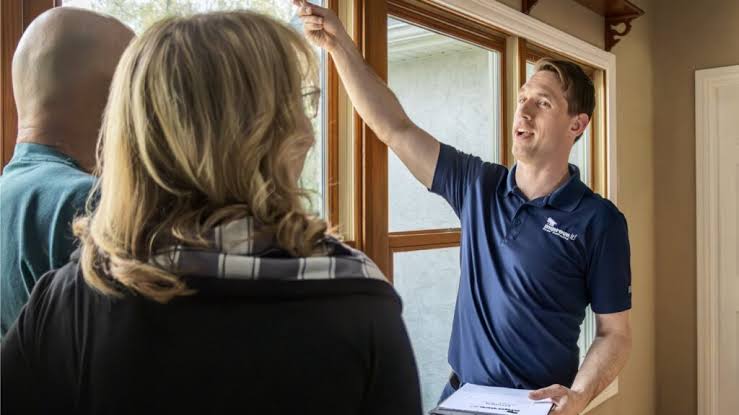
Professional installation offers several advantages.
Experienced installers:
- Ensure airtight seals
- Maintain manufacturer warranties
- Prevent water intrusion
- Meet local building codes
- Handle unexpected structural issues
DIY installation may reduce labor costs, but improper installation can eliminate many energy-saving benefits.
Unless you have advanced carpentry experience, professional installation is generally worth the investment.
Tips for Buying Energy-Efficient Windows
Before making your purchase, keep these practical tips in mind.
Compare energy ratings rather than relying solely on advertising claims.
Look for windows certified by recognized energy-efficiency programs.
Request multiple installation quotes.
Review warranty coverage for both materials and labor.
Choose frame materials suited to your climate.
Consider long-term operating costs rather than only upfront prices.
Prioritize quality installation as much as product quality.
Ask about available rebates before purchasing.
Select styles that complement your home’s architecture.
Balance energy performance with aesthetics and ventilation needs.
Long-Term Return on Investment
Energy-efficient windows typically provide returns through several channels.
Lower monthly heating and cooling bills often produce measurable savings over many years.
Improved comfort reduces hot and cold spots throughout the home.
Modern windows enhance curb appeal, making properties more attractive to potential buyers.
Many buyers specifically look for energy-efficient features when shopping for homes, increasing resale value.
Reduced HVAC strain may also extend the life of heating and cooling equipment.
Although replacement windows require a significant upfront investment, homeowners frequently recover much of the cost through energy savings and increased property value over time.
Common Mistakes to Avoid
Many homeowners regret their window purchase because of avoidable mistakes.
Common errors include:
- Choosing the cheapest option without comparing performance ratings
- Ignoring installation quality
- Selecting the wrong glass package for the local climate
- Overlooking warranty details
- Replacing only a few failing windows when the entire home’s windows are aging
- Forgetting to research available tax credits and rebates
- Focusing only on appearance instead of energy performance
Avoiding these mistakes can maximize the lifespan and efficiency of your investment.
Final Thoughts
Energy-efficient windows offer one of the most effective ways to improve a home’s comfort, efficiency, and value. Modern technologies such as Low-E glass, insulated gas fills, multiple panes, and advanced framing materials dramatically reduce heat transfer while creating a quieter and more comfortable living environment.
The ideal choice depends on your climate, budget, architectural style, and long-term goals. While vinyl windows remain an excellent value for many homeowners, fiberglass, composite, and premium wood options provide additional performance and aesthetic benefits for those willing to invest more.
Beyond choosing the right window, professional installation plays a crucial role in achieving maximum energy savings. Properly installed, high-quality windows can reduce utility costs, increase resale value, improve indoor comfort, and provide reliable performance for decades, making them one of the smartest home improvement investments available today.