







Smart home technology has moved far beyond being a luxury reserved for high-end homes. Today, buyers expect modern features that improve convenience, increase security, reduce energy bills, and simplify everyday living. Whether you are planning to sell your home in the near future or simply want to make your property more functional, investing in smart home upgrades can add significant value.
Not every smart device delivers the same return on investment, however. Some upgrades appeal to nearly every buyer, while others are considered personal preferences with limited resale impact. Understanding which improvements are worth the money helps homeowners make better decisions without overspending.
This guide explores the best smart home upgrades that increase property value, estimated installation costs, important security features, and the reasons buyers are willing to pay more for homes equipped with modern technology.
Why Smart Home Features Matter to Home Buyers
Modern homebuyers are looking for properties that are move-in ready and equipped with features that simplify life. Smart technology provides benefits that traditional home systems cannot match.
Many buyers appreciate features such as remote access, energy efficiency, improved home security, automated lighting, voice control, and smart climate management. These conveniences reduce maintenance while creating a more comfortable living environment.
Real estate professionals have also noticed that homes featuring desirable smart upgrades often attract more interest during showings and may sell faster than similar homes without them.
The key is choosing upgrades that appeal to a broad range of buyers rather than highly specialized technology.
Smart Security Systems
One of the most valuable smart home investments is a comprehensive security system.
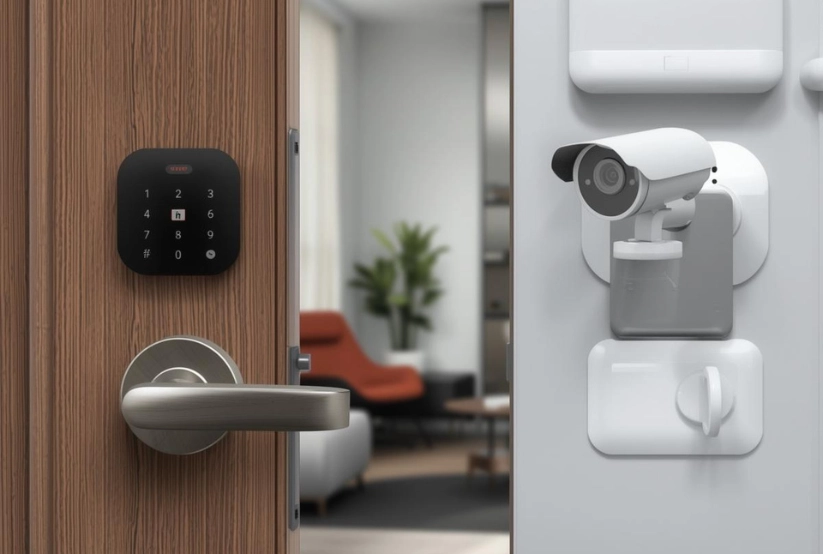
Today’s systems offer much more than basic alarms. Homeowners can monitor cameras, lock doors remotely, receive instant notifications, and even communicate with visitors through smartphone apps.
Popular features include:
- Motion detection
- Door and window sensors
- Glass break detection
- Indoor cameras
- Outdoor surveillance cameras
- Mobile alerts
- Professional monitoring options
- Cloud video storage
Estimated Cost
Basic DIY security systems typically cost between $200 and $600.
Professionally installed systems with multiple cameras and monitoring services usually range from $1,000 to $3,500 depending on home size and equipment.
Buyer Appeal
Security consistently ranks among the most attractive smart home features because buyers value peace of mind. Families with children especially appreciate homes already equipped with reliable security systems.
Smart Door Locks
Traditional keys are gradually being replaced by keyless entry systems.
Smart locks allow homeowners to:
- Unlock doors remotely
- Create temporary access codes
- Track who enters the home
- Lock forgotten doors from anywhere
- Integrate with security systems
These features are especially useful for busy families, Airbnb hosts, and homeowners who frequently receive deliveries.
Installation Cost
Most smart locks cost between $150 and $350.
Professional installation generally adds another $100 to $200 if needed.
Property Value Benefits
Although smart locks alone won’t dramatically increase home value, they create a strong first impression and complement other smart security upgrades.
Video Doorbells
Video doorbells have quickly become one of the most requested smart home features.
These devices allow homeowners to:
- View visitors in real time
- Record deliveries
- Detect motion
- Communicate through two-way audio
- Monitor front-door activity while away
Package theft continues to increase in many areas, making video doorbells particularly attractive.
Average Cost
Most quality video doorbells cost between $100 and $350.
Professional installation usually ranges from $75 to $200.
Why Buyers Like Them
Buyers appreciate improved security without requiring extensive installation. A visible smart doorbell also signals that the home has been updated with modern technology.
Smart Thermostats
Heating and cooling account for a significant portion of household energy expenses.
Smart thermostats learn household routines and automatically adjust temperatures for improved efficiency.
Common features include:
- Remote temperature control
- Learning schedules
- Energy reports
- Weather integration
- Voice assistant compatibility
- Vacation mode
Installation Costs
Most smart thermostats cost between $150 and $350.
Professional installation usually ranges from $100 to $250.
Return on Investment
Because they help reduce utility costs, smart thermostats remain one of the highest-value smart home upgrades.
Energy-conscious buyers often view them as an immediate financial benefit.
Smart Lighting Systems
Lighting dramatically influences both aesthetics and functionality.
Smart lighting allows homeowners to:
- Control lights remotely
- Schedule lighting routines
- Dim lights automatically
- Change brightness
- Improve home security while traveling
- Reduce electricity usage
Complete systems may include smart bulbs, switches, motion sensors, and automated scenes.
Cost
Simple smart bulbs begin around $20 each.
Whole-home smart lighting systems generally cost between $500 and $3,000 depending on home size.
Buyer Appeal
Smart lighting adds convenience while showcasing the home during showings. Automated lighting also gives homes a modern, upscale feel.
Smart Garage Door Openers
Garage access is another feature buyers appreciate.
Smart garage controllers allow homeowners to:
- Open or close doors remotely
- Receive alerts if doors remain open
- Share temporary access
- Integrate with security platforms
Installation Cost
Smart garage controllers typically cost $100 to $300.
Professional installation usually ranges from $100 to $250.
Property Value
While not a major value booster alone, smart garage systems contribute to the overall appeal of a connected home.
Smart Smoke and Carbon Monoxide Detectors
Safety technology continues to improve with connected detectors.
Modern smart detectors can:
- Send emergency alerts to smartphones
- Detect smoke and carbon monoxide
- Perform self-testing
- Notify users of battery issues
- Differentiate between minor and major threats
Cost
Individual units generally cost between $100 and $200.
Whole-home replacement often ranges from $500 to $1,500.
Why Buyers Appreciate Them
Many buyers view upgraded safety systems as valuable because they improve family protection while reducing maintenance.
Smart Irrigation Systems
Landscaping remains an important factor in curb appeal.
Smart irrigation controllers monitor:
- Weather forecasts
- Soil moisture
- Seasonal watering needs
- Rain delays
These systems help reduce water waste while keeping lawns healthier.
Installation Costs
Controllers generally cost between $150 and $400.
Professional installation typically adds $200 to $500.
Value to Buyers
Environmentally conscious buyers appreciate water-saving technology that lowers monthly utility costs while maintaining attractive landscaping.
Smart Window Shades
Motorized blinds and shades have become increasingly popular.
Homeowners can:
- Schedule opening and closing
- Control blinds remotely
- Improve insulation
- Increase privacy
- Integrate with sunrise and sunset schedules
Costs
Individual smart shades often cost between $250 and $700.
Whole-home installations may exceed $5,000 depending on window count.
Buyer Appeal
Luxury buyers often expect automated window treatments, especially in higher-end properties.
Smart Appliances
Connected kitchen and laundry appliances continue gaining popularity.
Examples include:
- Smart refrigerators
- Wi-Fi ovens
- Connected dishwashers
- Smart washing machines
- Smart dryers
These appliances provide maintenance reminders, remote operation, and energy monitoring.
Costs
Prices vary widely.
Expect to spend:
- Smart refrigerator: $2,000–$5,000
- Smart oven: $1,500–$4,000
- Smart washer and dryer: $1,500–$3,500
Property Value Impact
Replacing outdated appliances with connected, energy-efficient models often improves kitchen appeal, one of the most influential factors during home sales.
Whole-Home Smart Hubs
Rather than controlling devices individually, many homeowners prefer centralized automation.
Smart hubs connect:
- Lighting
- Thermostats
- Security
- Entertainment systems
- Locks
- Cameras
- Voice assistants
Automation routines allow multiple devices to work together.
For example, leaving home could automatically:
- Lock all doors
- Turn off lights
- Lower the thermostat
- Activate security cameras
- Close the garage door
Installation Costs
Basic hubs start around $100.
Professional whole-home automation systems often range from $2,000 to over $10,000.
Buyer Benefits
Homes with seamless automation often feel more sophisticated and convenient than homes using separate disconnected devices.
Energy Monitoring Systems
Energy efficiency has become one of today’s strongest selling points.
Smart energy monitors help homeowners:
- Track electricity usage
- Identify expensive appliances
- Reduce monthly bills
- Monitor solar production
- Improve overall efficiency
Installation Cost
Most systems cost between $250 and $700.
Professional installation typically ranges from $150 to $400.
Resale Value
Lower utility bills make homes more attractive to cost-conscious buyers.
EV Charging Stations
Electric vehicle ownership continues growing.
Installing a Level 2 charging station prepares a home for future transportation trends.
Installation Costs
Charging units generally cost between $500 and $1,200.
Electrical installation usually ranges from $500 to $2,000 depending on wiring requirements.
Buyer Appeal
Buyers who own electric vehicles often consider home charging a major convenience and may prioritize homes that already include this feature.
Smart Water Leak Detection
Water damage remains one of the costliest homeowner expenses.
Smart leak detectors monitor:
- Pipes
- Water heaters
- Washing machines
- Sinks
- Basements
Some systems automatically shut off the home’s water supply when leaks are detected.
Costs
Basic sensors cost around $50 each.
Whole-home shutoff systems typically range from $500 to $1,500 plus installation.
Why Buyers Like Them
Preventing costly water damage provides peace of mind while potentially lowering insurance risks.
Security Features Buyers Value Most
Although dozens of smart devices are available, buyers consistently prioritize certain security features.
The most desirable include:
- Remote smartphone access
- Encrypted wireless communication
- Multi-factor authentication
- Automatic software updates
- Real-time notifications
- Cloud video storage
- Emergency backup power
- Professional monitoring compatibility
- Secure user permissions
- Privacy controls
Homes equipped with secure, regularly updated systems inspire greater buyer confidence than older, unsupported technology.
Installation: DIY or Professional?
Many smart devices are designed for homeowners to install themselves.
DIY-friendly products include:
- Smart plugs
- Smart bulbs
- Video doorbells
- Smart locks
- Thermostats
- Garage controllers
Professional installation is usually recommended for:
- Whole-home automation
- Security systems
- Electrical upgrades
- Network wiring
- Integrated audio systems
- Motorized window treatments
- Smart irrigation
- EV chargers
Professional installation often improves reliability and reassures buyers that systems were installed correctly.
Which Upgrades Deliver the Best Return on Investment?
Some smart upgrades consistently outperform others in terms of resale value.
Top investments include:
- Smart thermostat
- Video doorbell
- Smart security system
- Smart locks
- Smart lighting
- Smart garage controller
- Smart smoke detectors
- Energy monitoring systems
- Leak detection devices
- EV charging station in appropriate markets
These improvements balance affordability with strong buyer demand.
Mistakes to Avoid
Not every smart upgrade increases property value.
Common mistakes include:
- Installing incompatible devices from multiple ecosystems.
- Buying obscure brands with limited customer support.
- Over-automating every room.
- Ignoring cybersecurity updates.
- Choosing products that require expensive subscriptions.
- Installing technology that quickly becomes outdated.
- Skipping professional installation for complex electrical systems.
Buyers generally prefer systems that are easy to use and compatible with major smart home platforms.
Preparing a Smart Home for Sale
Before listing your home, ensure every connected device functions properly.
Update firmware, replace batteries, remove personal information, and prepare documentation for each installed system. Provide instruction manuals, warranty information, and account transfer details whenever possible.
Real estate listings should clearly mention major smart home features, especially energy-saving technology and integrated security systems, since these upgrades can attract more qualified buyers.
Final Thoughts
Smart home upgrades are no longer simply attractive extras—they have become meaningful selling points that influence buyer decisions. Features that improve security, convenience, energy efficiency, and everyday comfort make homes stand out in competitive real estate markets.
The most valuable investments are those that combine practical benefits with long-term reliability. Smart thermostats, security systems, connected locks, video doorbells, automated lighting, leak detection, and energy management systems appeal to a broad audience while offering homeowners immediate advantages before a property ever goes on the market.
Rather than filling a home with every available gadget, focus on high-quality, user-friendly technology that integrates well and solves real problems. Thoughtfully selected smart upgrades not only enhance daily living but also position your property as a modern, efficient, and desirable home that buyers are willing to pay more for.