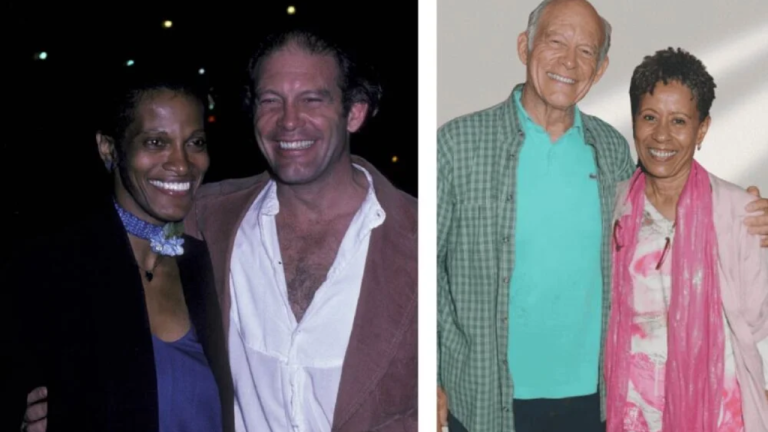









There are people who spend their lives quietly, away from cameras and comment sections, and then there are people who end up talked about simply because of who they married. Cara Webb Hanson is, in many ways, both. She built a life that was mostly private, raised a family, and moved through the world on her own terms — but because her former husband became one of the most recognized conservative voices in America, her name occasionally surfaces in searches and articles.
Quick Bio — Cara Webb Hanson at a Glance
| Detail | Information |
| Full Name | Cara Webb Hanson |
| Also Known As | Cara Hanson |
| Nationality | American |
| Ethnicity | White American |
| Religion | Christian |
| Marital Status | Divorced |
| Former Spouse | Victor Davis Hanson |
| Children | Three (Susannah, William, Pauline) |
| Grandchildren | Information not publicly available |
| Father | Not publicly disclosed |
| Mother | Not publicly disclosed |
| Siblings | Not publicly disclosed |
| Education | Details not publicly available |
| Profession | Private individual |
| Net Worth | Not publicly disclosed |
| Victor Davis Hanson Net Worth | Estimated $3–5 million (approximate, based on public sources) |
| Height | Not publicly available |
| Eye Color | Not publicly available |
| Hair Color | Not publicly available |
| Social Media | No known public accounts |
| Residence | California, USA (last known) |
Who Is Cara Webb Hanson?
Cara Webb Hanson became publicly associated with her former husband, Victor Davis Hanson, who is a classicist, military historian, professor, and conservative political commentator based in California. The two were married for many years, and together they raised three children on the family’s raisin farm in Selma, California — a place that has deep roots in the Hanson family history going back generations.
Victor himself has written extensively about that farm and what it represents to him — the physical labor, the cycles of loss and survival, and what it taught him about America and human nature. Cara was part of that life. She was present through the long years of farming hardship, academic work, and family building that shaped Victor into the writer and thinker he eventually became.
She isn’t someone who sought the spotlight. You won’t find her giving interviews, posting on social media, or attaching herself to her former husband’s public image. What we know about her comes mostly from the edges of what Victor has shared about his family life over the years.
Life on the Hanson Farm
If you’ve read any of Victor Davis Hanson’s books or essays — particularly “Fields Without Dreams” — you get a picture of what life was like in that household. The Hanson farm in Selma, California is a fifth-generation property. Victor grew up there, returned to farm it as an adult, and continued that connection even as his writing career took off.
Cara was part of that chapter. Raising children on a working farm in the Central Valley of California is not exactly a glamorous life. It’s early mornings, hard physical work, tight finances during bad harvest years, and a kind of grounded existence that doesn’t show up much in the world of think tanks and political commentary that Victor would later inhabit.
That contrast — between the rootedness of the farm and the intellectual life Victor built alongside it — is something he’s returned to again and again in his writing. And Cara, as his partner through much of that time, was woven into that story even if she remained behind the scenes.
Her Children
Cara and Victor Davis Hanson had three children together: a daughter named Susannah, a son named William, and another daughter named Pauline. The children grew up in the Hanson family environment, shaped by both the farm life of the Central Valley and by a household where classical history, literature, and ideas were part of everyday conversation — given that their father is a Stanford-trained classicist.
Victor has occasionally mentioned his children in his writing and public commentary, though always with a degree of privacy. He clearly values keeping family life separate from his very public role as a political commentator.
Not much is publicly known about what the Hanson children have gone on to do as adults. That’s a choice that families make, and it appears the Hansons — Cara included — have kept it that way.
The Marriage and Divorce
Victor Davis Hanson and Cara Webb Hanson were married for a significant period of their lives. The marriage eventually ended in divorce, though the details of when the divorce occurred or what led to it have not been made public by either party.
After the divorce, Victor Davis Hanson has been seen at public events and is believed to have moved on personally, though he keeps his private life fairly guarded given how much scrutiny comes with being a national political commentator.
Cara has remained almost entirely out of the public eye since the end of the marriage. There are no interviews, no social media presence, and no public commentary from her. That level of privacy is genuinely rare in an age when almost everyone leaves some kind of digital footprint, and it suggests that Cara has made a deliberate and sustained choice to stay out of the noise.
Victor Davis Hanson — For Context
Since so much of what people know about Cara comes through her connection to Victor, it’s worth briefly touching on who he is.
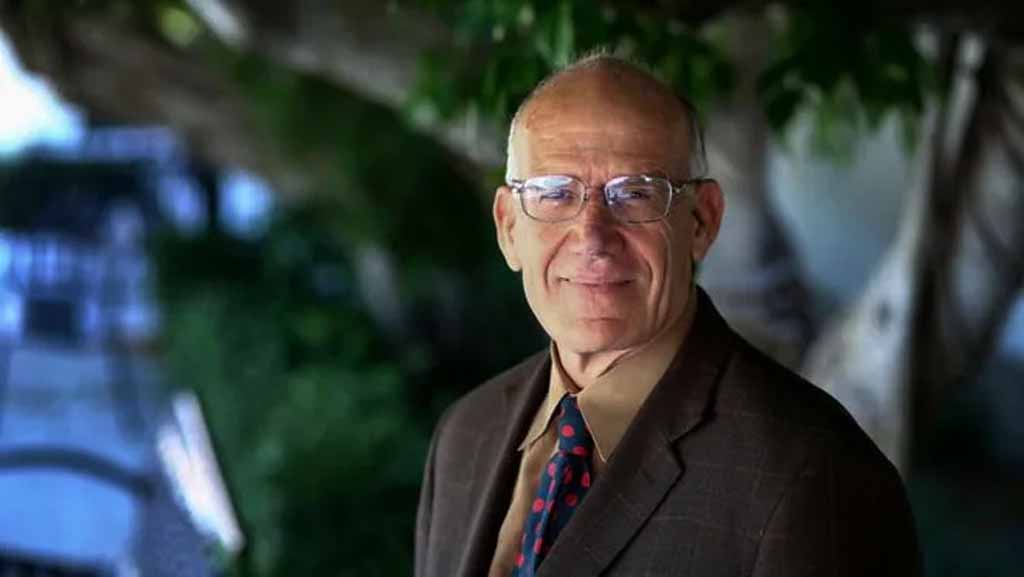
Victor Davis Hanson grew up in Selma, California, in the San Joaquin Valley. He completed his undergraduate education and went on to earn a PhD in classics from Stanford University. He has taught at California State University, Fresno and has been a senior fellow at the Hoover Institution at Stanford.
He is the author of dozens of books, including works on ancient Greek warfare, military history, and American politics. Some of his best-known titles include “The Western Way of War,” “Carnage and Culture,” “The Father of Us All,” and more recently “The Dying Citizen” and “The End of Everything.” He also writes regular columns and appears frequently on television and radio as a conservative commentator.
His farm in Selma has become almost mythological in his writing — a symbol of a kind of America that he feels is under threat and a personal anchor that keeps him connected to something real amid the abstraction of political debate.
Cara was part of that life. And whatever the end of their marriage looked like privately, she was present for the years when much of that foundation was being laid.
What We Don’t Know — And Why That’s Okay
There is genuinely very little on the public record about Cara Webb Hanson as an individual. Her net worth is unknown. Her current whereabouts, occupation, and daily life are not documented anywhere publicly. Her family background — her parents, siblings, where she grew up — hasn’t been shared in any public forum.
Some people might find that frustrating if they’re trying to build a complete picture. But it’s worth stepping back and recognizing that Cara has made a deliberate choice to live privately, and that choice deserves respect.
She was not a public figure herself. She didn’t write books, give speeches, or build a media presence. She was a wife and mother who lived a real, grounded life in a farming community in Central California. The fact that her former husband became famous doesn’t mean that she owes anyone her story.
In an era when privacy is increasingly hard to come by, the people who manage to hold onto it — without drama, without public statements, just by quietly not participating in the circus — deserve a kind of recognition for that.
What Her Life Tells Us About the Hanson Story
One of the things that makes Victor Davis Hanson’s writing compelling to a lot of people is the sense that he’s not just theorizing about America — he’s lived a version of it that most intellectuals haven’t. The farm, the financial struggles, the physical labor, the multigenerational connection to land. Those experiences give his writing a texture that comes from real life.
Cara was part of that real life. The years they spent together on the farm, raising children, navigating the ups and downs of agricultural economics and academic careers — all of that shaped the man whose opinions now reach millions of readers and viewers.
That’s not to reduce Cara to a supporting character in someone else’s story. She had her own life, her own choices, her own contributions to that household and family. It’s just to acknowledge that the private lives of the people around public figures are often more important to who those figures become than anyone publicly recognizes.
A Note on Privacy and Public Curiosity
People search for names like “Cara Webb Hanson” for a variety of reasons. Sometimes it’s idle curiosity. Sometimes readers of Victor’s work want to know more about the personal context behind what he writes. Sometimes people just want to complete a picture they’ve started building.
That’s understandable. But it’s also worth being honest: Cara Hanson hasn’t given the public reason to know her story in detail. She’s not someone who traded on her connection to a famous person. She’s not someone who wrote a tell-all or appeared on a podcast to discuss her divorce. She’s just a person who lived her life.
The most we can say with confidence is that she was married to one of America’s most prominent historians and commentators, that she helped raise three children in a farming community in California, and that she has chosen to remain private since the end of that marriage.
That’s actually a lot more than nothing. It tells us something about who she is — a person who values real life over public life, and who has been consistent about that value even when the world was paying attention to someone very close to her.
Final Thoughts
Cara Webb Hanson is not a celebrity. She’s not a public intellectual. She’s not someone who built a personal brand or sought an audience. She’s a woman who was married to a man who became very well known, and who has lived her private life on her own terms both during and after that marriage.
There’s something quietly admirable about that in an age when the instinct for so many people is to turn every relationship, every experience, and every chapter of life into content.
She hasn’t done that. And the honest truth is that we don’t have much more to say about her than what’s here — because she hasn’t let us have more. That’s her right, and it’s worth acknowledging rather than treating as a gap to be filled with speculation.
If you were hoping for drama or scandal, this isn’t that story. It’s the story of a private person, briefly illuminated by proximity to someone famous, who chose to keep living privately anyway.
Explore the latest entertainment news and reviews at NewsOrganization!