







Sustainable living has become one of the most important goals for modern homeowners. As energy costs rise and environmental concerns continue to grow, more people are looking for ways to make their homes more efficient, eco-friendly, and cost-effective. Home improvement plays a major role in achieving these goals by reducing waste, conserving resources, and creating healthier living environments.
Sustainable home improvement is not only about protecting the environment. It also helps homeowners save money, improve comfort, and increase property value over time. Small changes can have a big impact when combined with smart planning and responsible choices.
We believe sustainable living should be practical and achievable for every homeowner. The right home improvements can create long-term benefits for both families and the environment. Let us explore the best home improvement tips for clients focused on sustainable living.
Improve Home Insulation
Insulation is one of the most effective ways to improve sustainability.
A well-insulated home keeps indoor temperatures stable, reducing the need for excessive heating and cooling.
This lowers energy use and utility bills.
Upgrading insulation in walls, attics, and floors can create major long-term savings.
It also improves year-round comfort.
Install Energy-Efficient Windows
Old windows often allow heat loss and air leaks.
Energy-efficient windows improve insulation and reduce the workload on heating and cooling systems.
Double-glazed and low-emission windows are excellent choices.
They also improve comfort and reduce noise pollution.
This upgrade supports both energy savings and sustainability.
Switch to LED Lighting
LED bulbs use far less electricity than traditional lighting.
They also last much longer, reducing waste.
Replacing old bulbs with LEDs is a simple and affordable improvement.
This change lowers energy bills and supports responsible energy use.
It is one of the easiest sustainable upgrades.
Use Solar Power
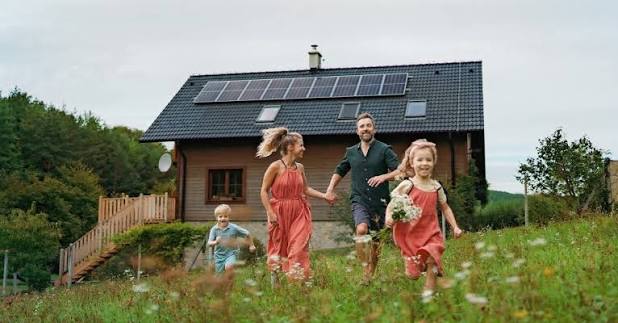
Solar panels allow homeowners to generate clean energy from sunlight.
This reduces reliance on fossil fuels and lowers electricity costs.
Over time, solar systems can create major financial savings.
Solar energy also increases property value.
It is one of the strongest long-term sustainability investments.
Install Smart Thermostats
Smart thermostats improve energy management by adjusting temperatures automatically.
They reduce unnecessary heating or cooling when rooms are empty.
Remote control options also improve convenience.
This small technology upgrade supports better energy efficiency.
Upgrade Appliances
Older appliances often waste electricity and water.
Replacing them with energy-efficient models reduces resource use while improving performance.
Refrigerators, dishwashers, washing machines, and ovens all contribute to household efficiency.
Modern appliances are designed for better sustainability.
Use Water-Saving Fixtures
Reducing water use is a major part of sustainable living.
Low-flow toilets, faucets, and showerheads can significantly lower water waste.
Fixing leaks also prevents unnecessary loss.
Water-efficient systems save money and protect natural resources.
Collect Rainwater
Rainwater harvesting systems can reduce dependence on fresh water supplies.
Collected rainwater can be used for gardens, cleaning, or outdoor needs.
This supports sustainable water management and lowers utility costs.
It is a smart long-term improvement.
Choose Sustainable Building Materials
Eco-friendly materials reduce environmental impact during renovations.
Options like bamboo, reclaimed wood, recycled metal, and natural stone are popular.
These materials often offer strong durability and style.
Choosing responsible materials supports sustainable construction.
Improve Natural Lighting
Using more natural light reduces electricity use during the day.
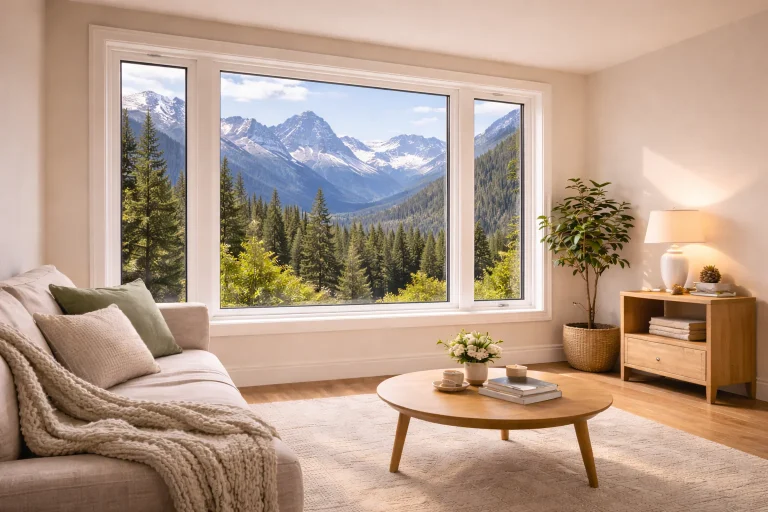
Larger windows, skylights, and glass doors can increase sunlight inside the home.
Bright spaces also improve mood and comfort.
Natural light is both practical and energy-efficient.
Use Eco-Friendly Paint
Traditional paints can contain harmful chemicals.
Low-VOC and zero-VOC paints improve indoor air quality and reduce environmental impact.
They are safer for families and better for the environment.
This is a simple but valuable sustainable choice.
Create Sustainable Landscaping
Outdoor spaces can also support sustainable living.
Using native plants, drought-resistant gardens, and efficient irrigation systems reduces water use.
Composting and organic gardening methods further improve environmental benefits.
Sustainable landscaping lowers maintenance while protecting resources.
Improve Ventilation Naturally
Natural airflow reduces the need for air conditioning.
Large windows, ceiling fans, and cross-ventilation designs improve comfort naturally.
This lowers energy use while improving indoor air quality.
Good ventilation supports healthier living.
Upgrade Water Heating Systems
Traditional water heaters can waste energy.
Tankless water heaters provide hot water only when needed, reducing energy use.
Solar water heating systems are another eco-friendly option.
Efficient water heating improves sustainability and saves money.
Add Smart Energy Monitoring
Energy monitoring systems help homeowners track electricity usage.
This allows better understanding of where energy is being wasted.
Smart plugs and monitoring apps support better habits.
Awareness often leads to stronger energy-saving decisions.
Reduce Waste During Renovations
Renovation projects often create unnecessary waste.
Reusing materials, recycling debris, and donating old items supports sustainability.
Responsible waste management reduces environmental impact.
This is an important part of eco-friendly home improvement.
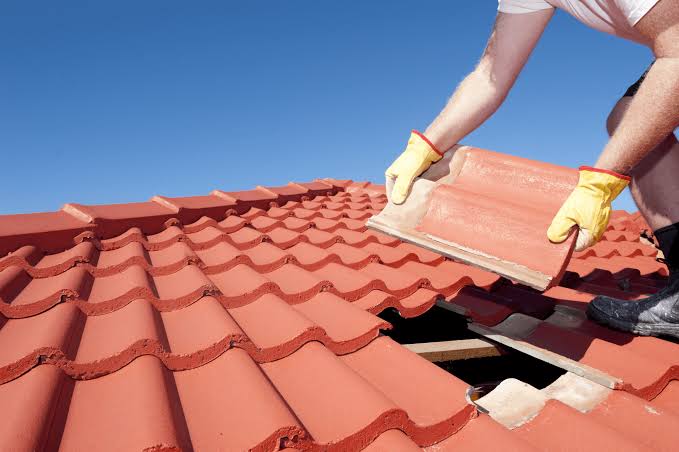
Improve Roof Efficiency
Energy-efficient roofs can improve insulation and reflect heat.
Cool roofing materials reduce indoor heat during warmer months.
Green roofs with plants can also improve insulation and air quality.
Roof upgrades support long-term sustainability.
Final Thoughts
Sustainable home improvement is one of the smartest investments homeowners can make. By focusing on energy efficiency, water conservation, eco-friendly materials, and smart technology, clients can create homes that are healthier, more efficient, and more affordable to maintain.
We believe sustainable living should be practical and beneficial for both homeowners and the environment. Every improvement, whether small or large, contributes to a stronger and more responsible lifestyle.
With thoughtful planning and smart upgrades, clients can build homes that support sustainability, comfort, and long-term savings for many years to come.